Our History
Every place has a story. Ours begins more than a century ago, with a vision for what electricity could make possible for Alabama. Since then, generations of people and countless milestones have helped shape the company we are today, always guided by the same purpose: serving our state.
1906 ✦ A Vision Takes Shape
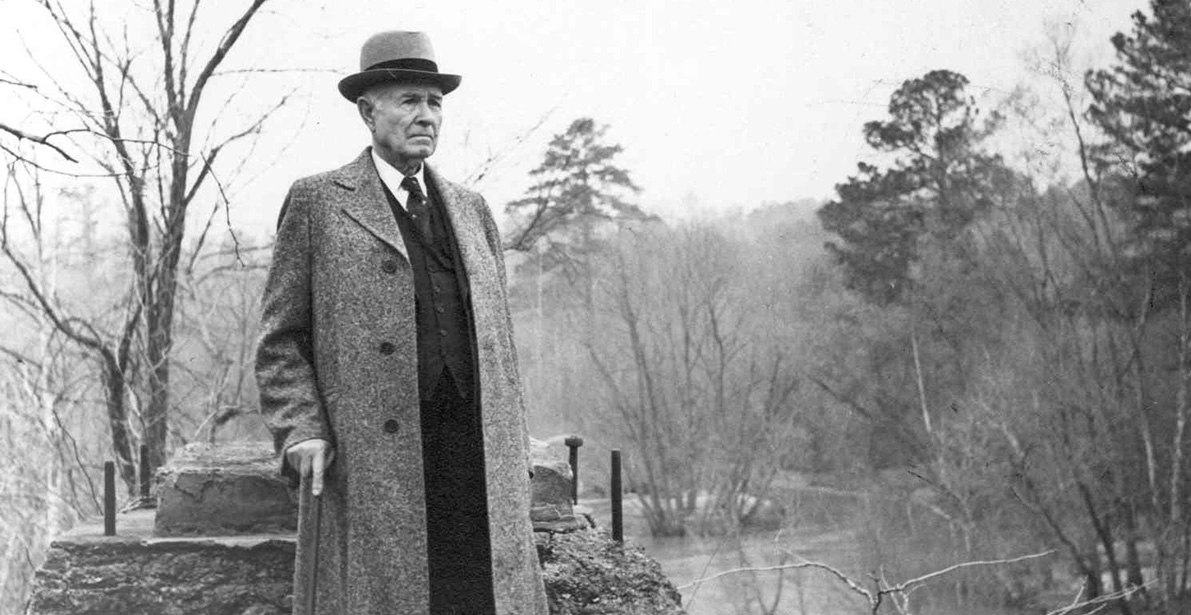
Riverboat captain William Patrick Lay incorporated Alabama Power Company in Gadsden on Dec. 4, 1906. He saw the potential of Alabama’s rivers to provide electricity at a scale that scattered local generating plants could not. At the time, electric service was limited and often unreliable, especially outside cities. His early work laid the groundwork for a connected power system that would reach more Alabamians.
1912–1914 ✦ Connecting to a New Era
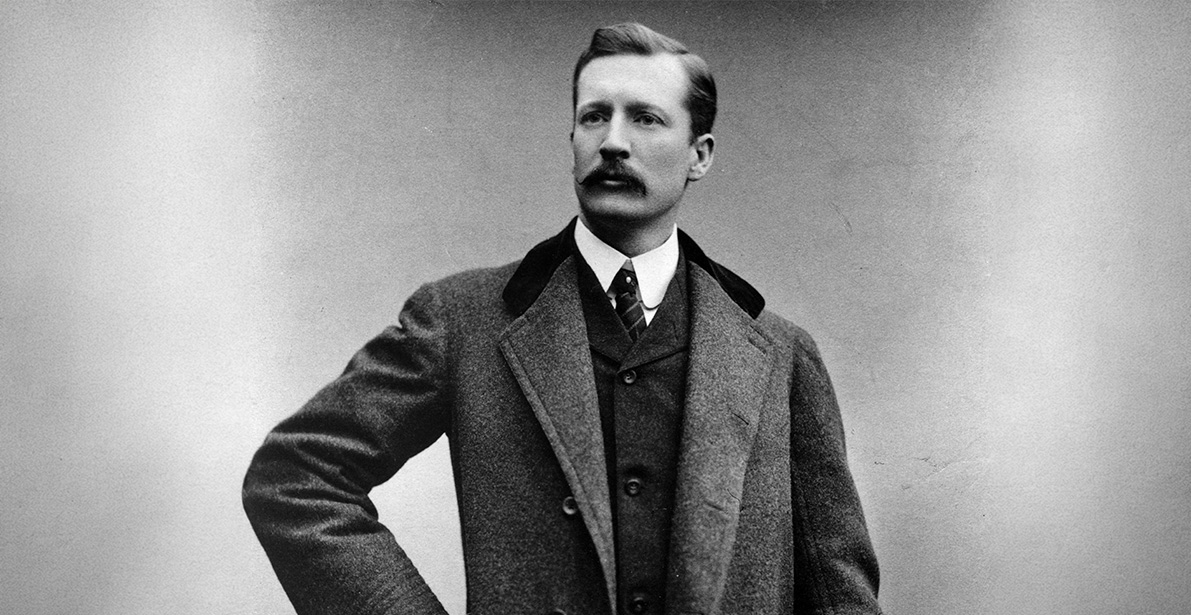
Engineer James Mitchell helped secure the financing and partnerships needed to advance Alabama Power’s early hydroelectric plans. Frank S. Washburn also served as president during this formative period, bringing engineering experience to the effort. Construction at Lock 12 on the Coosa River culminated in the start of generation in 1914 at the facility later named Lay Dam. The project helped turn an ambitious idea into a growing electric system.
1917 ✦ Keeping Power Flowing
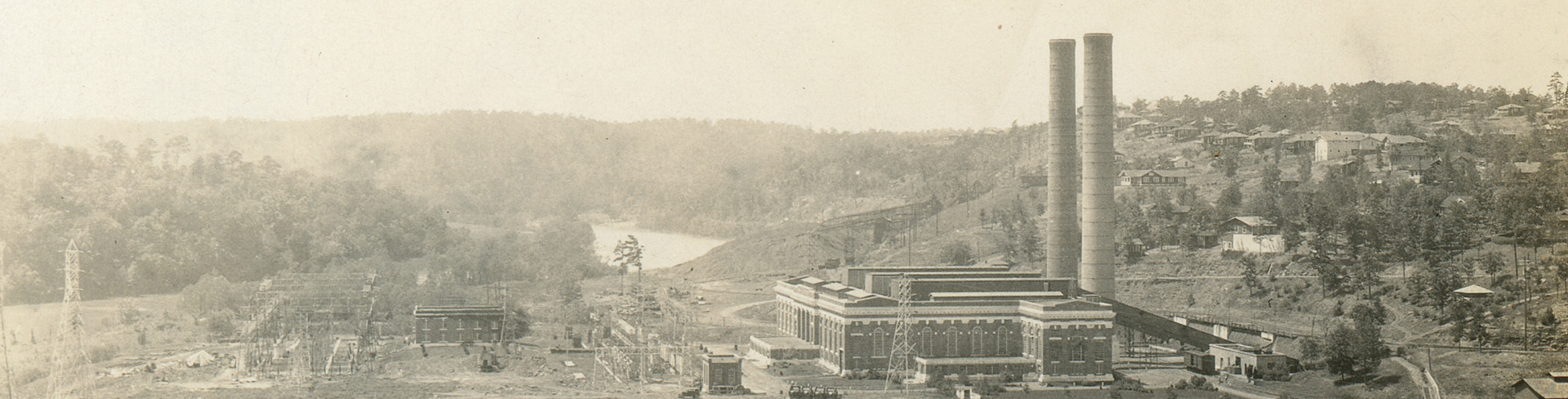
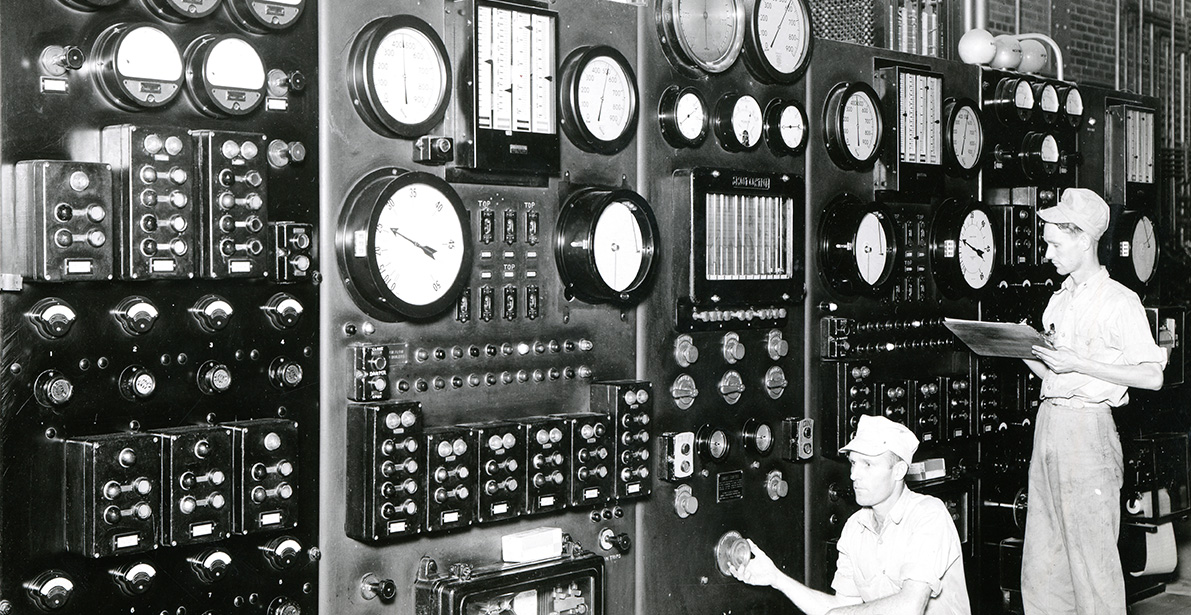
The Warrior Reserve Steam Plant, later known as Plant Gorgas, began operating in 1917. Its steam generation supplemented Alabama Power’s hydroelectric resources and provided another source of electricity when river conditions changed. Under James Mitchell’s leadership, the company was building a system that combined generating technologies rather than relying on a single source. That approach helped support more dependable service as demand increased.
1920s ✦ The Rivers Help Power a State
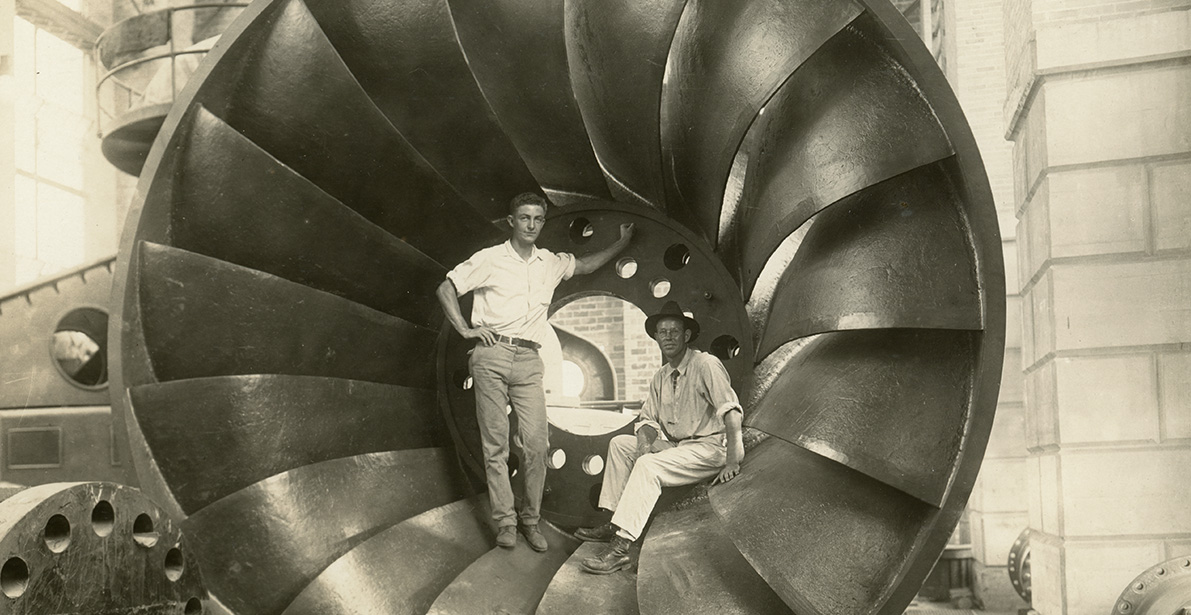
After James Mitchell’s death in 1920, Thomas W. Martin guided the company through a major period of expansion. Alabama Power developed Mitchell, Martin, Jordan, Yates and Thurlow dams, building on its original hydroelectric vision. New transmission connections and growing demand for electricity helped extend the benefits of power to more places. These projects also shaped lakes and landscapes that remain familiar to Alabamians today.

1920s ✦ Electra Becomes an Alabama Icon
As Alabama Power grew, its Birmingham headquarters and the figure of Electra became symbols of a new electric age. Electra represented the possibilities of a technology changing homes, workplaces and daily life. The company’s growth under Thomas W. Martin was closely tied to its efforts to attract industry and broaden access to electricity. The symbol remains a recognizable part of Alabama Power’s heritage.
1936–1938 ✦ A Brighter Future
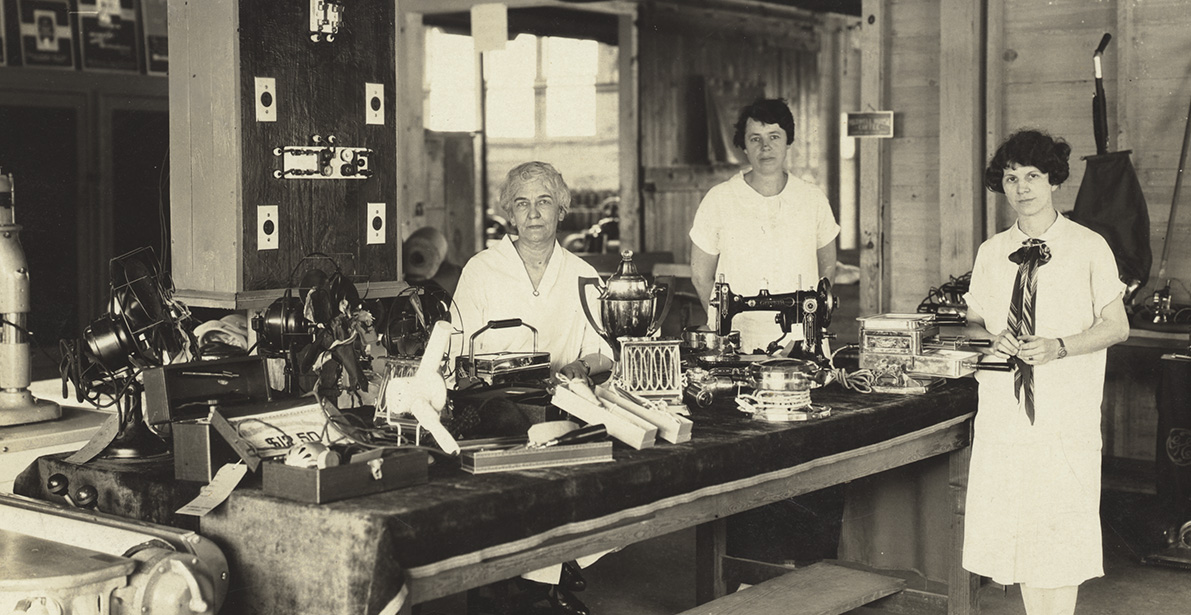
Alabama Power continued expanding electric service to rural communities during the Great Depression. From 1936 through 1938, the company built about 3,900 miles of rural lines serving 18,758 new customers, according to its centennial history. Electricity brought new possibilities for lighting, household work, farming and small businesses. The expansion helped make power an increasingly essential part of everyday life across the state.
1949 ✦ A New Chapter in the Southeast
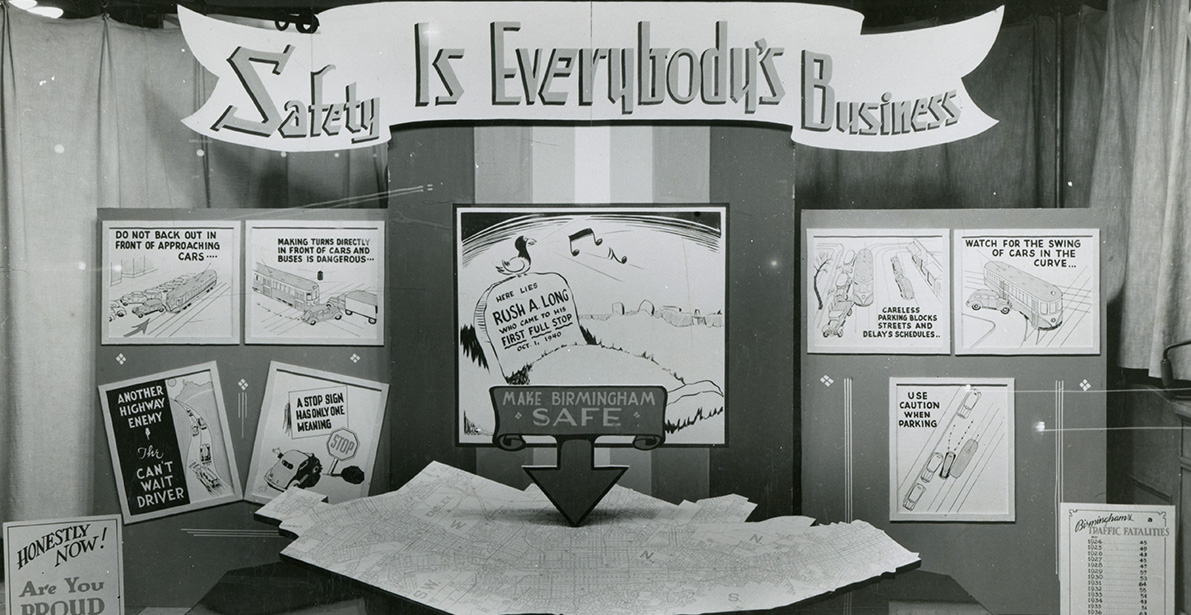
Southern Company began operating in 1949, marking a new chapter in Alabama Power’s corporate history. Thomas W. Martin helped shape the transition, advocating for a Southern-based organization responsive to the region it served. James M. Barry succeeded Martin as Alabama Power president. The new structure positioned the company to meet rapidly growing postwar electricity needs.
1950s ✦ Power for a Growing Alabama
Demand for electricity rose as Alabama’s homes, businesses and industries expanded after World War II. During the presidencies of James M. Barry and Lewis Smith, Alabama Power added generating resources and continued developing its electric system. Plant Barry near Mobile became an important part of the company’s generating fleet. These improvements helped serve a state whose daily life and economy increasingly depended on electricity.
1960s ✦ Building on a Hydroelectric Legacy
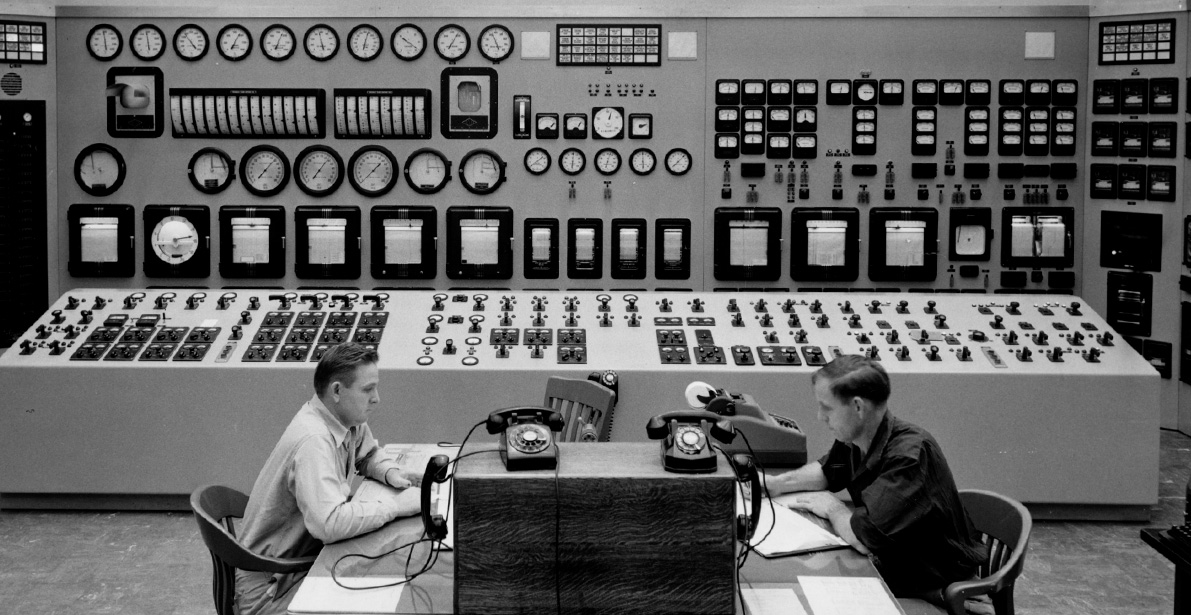
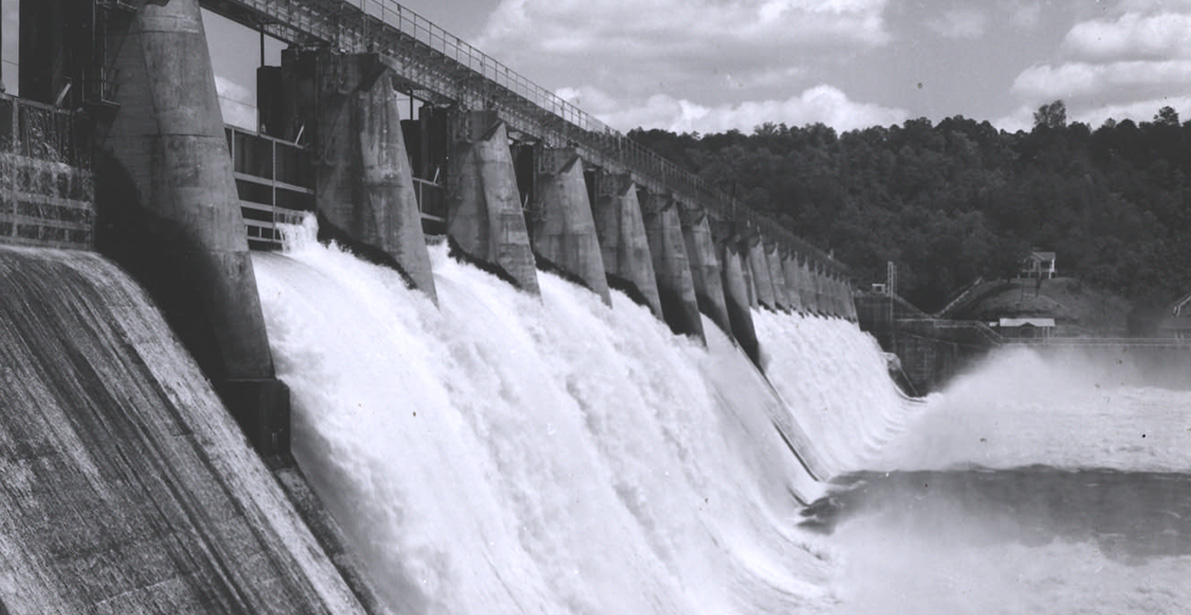
Under Walter Bouldin’s leadership, Alabama Power continued major hydroelectric development on the Coosa and Black Warrior rivers. The construction of Logan Martin, Neely Henry and Walter Bouldin dams, along with the addition of a hydroelectric generating facility at Bankhead Dam, expanded the company’s generating resources. These projects also created new opportunities for recreation and lakeside communities, extending a river-based legacy dating to the company’s earliest years.
1977 ✦ Nuclear Energy Joins the Mix
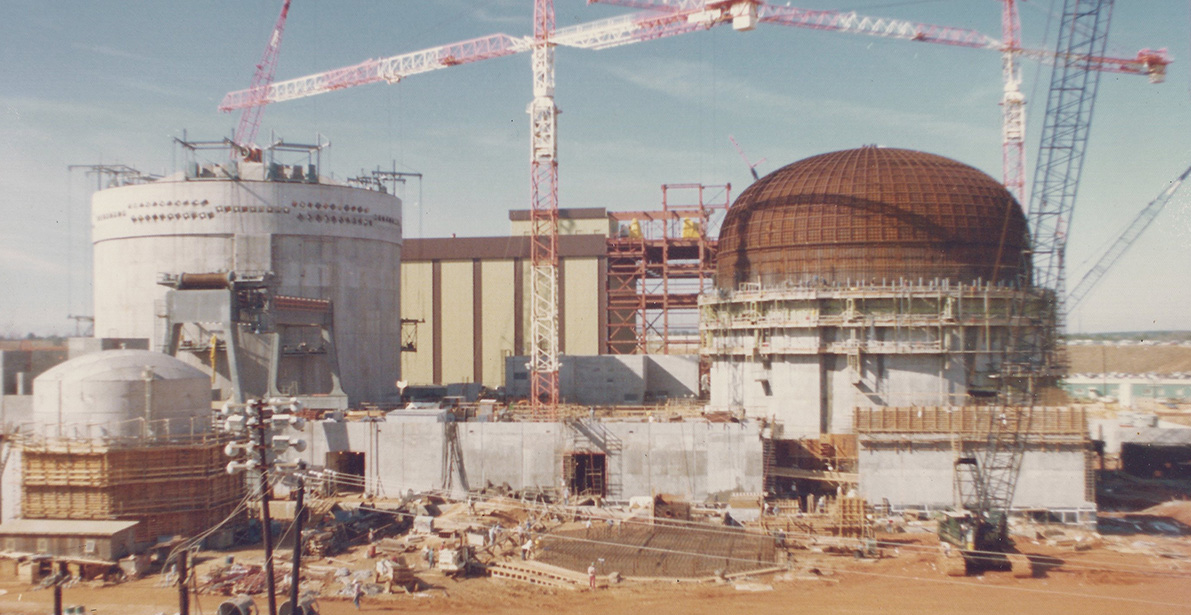
The first unit at the Joseph M. Farley Nuclear Plant near Dothan began commercial operation in 1977. Named for Alabama Power leader Joe Farley, the facility marked the company’s entry into nuclear generation. It added a new large-scale resource to help meet electricity demand. Nuclear generation continues to play a role in the company’s diverse energy supply.
1983 ✦ A New Lake, a Lasting Resource
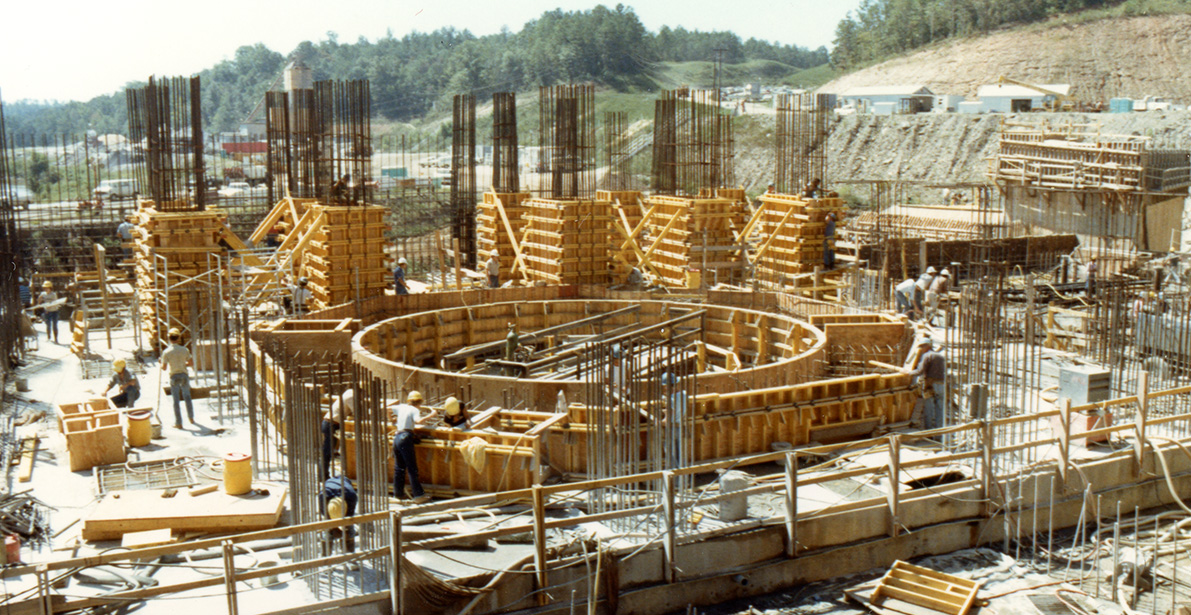
Alabama Power completed R.L. Harris Dam on the Tallapoosa River in 1983 during Joe Farley’s tenure. The project added hydroelectric generation and created the reservoir known as Lake Wedowee. It became the company’s most recently completed conventional hydroelectric development. Like earlier dam projects, its impact extended beyond electricity to the surrounding region.
1993 ✦ Helping Bring New Industry
During Elmer Harris’s presidency, Alabama Power continued working with state and local partners to recruit employers. The 1993 announcement that Mercedes-Benz would build in Tuscaloosa County became a defining moment for Alabama’s automotive industry. The company’s role in economic development reflected a longstanding effort to help communities create jobs and opportunity. The period reinforced the connection between reliable electricity and the state’s future.

2006 ✦ A Century of Service
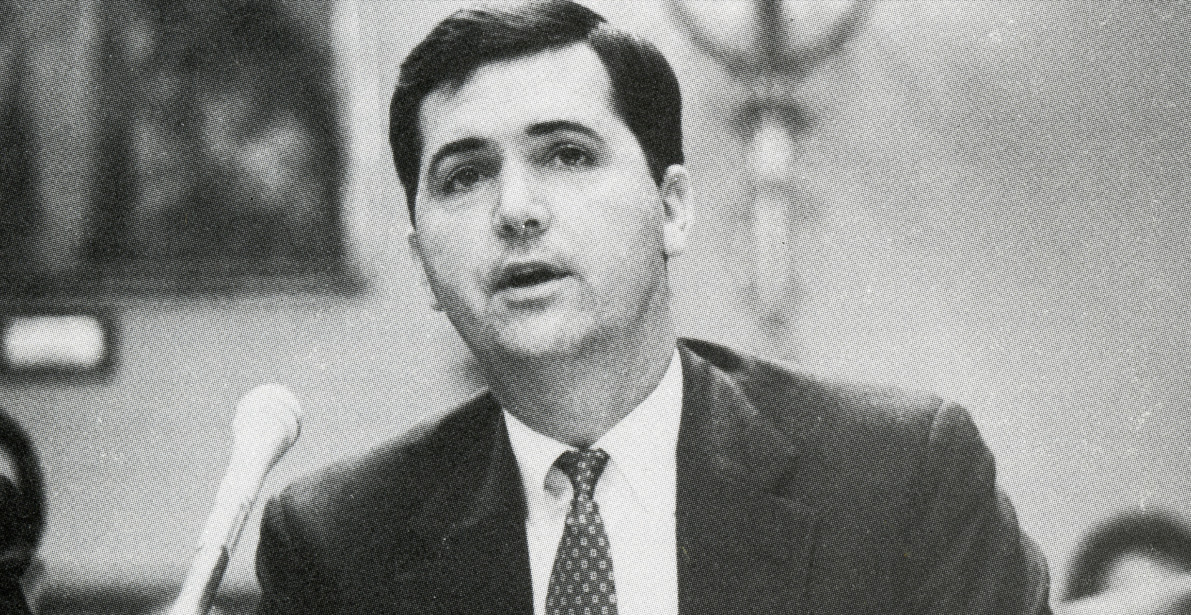
Alabama Power celebrated its 100th anniversary in 2006 during Charles McCrary’s presidency. The milestone offered a chance to reflect on a century of hydroelectric development, expanding service and partnerships across the state. It also brought renewed attention to the people and communities that shaped the company’s history. That story was documented in Leah Rawls Atkins’ book Developed for the Service of Alabama.
2014–2022 ✦ Adapting to Changing Needs
As customer needs and expectations changed, Alabama Power continued modernizing its electric system, expanding customer-facing tools and strengthening its response to severe weather. During Mark Crosswhite’s time as president, the company continued evolving how customers access information and manage their energy use while keeping reliability and service at the center.

Developed for the Service of Alabama
Developed for the Service of Alabama tells the story of Alabama Power Company and its deep connection to the state’s history.
Download the Book (PDF)