

Guide to Electric Vehicles
Smart consumers and business leaders know electric vehicles (EVs) play an important role in our clean-energy future. We encourage and teach the use of EVs to drastically reduce fuel costs for our customers. We are researching the impact of EVs on grid reliability, including vehicle-to-home and vehicle-to-grid technologies; and with our automotive partners, we are also helping to develop industry standards for future plug-in EVs.
Plug-In EV Options
Plug-in electric vehicles come in many forms. All have batteries and need to be plugged in to recharge. Most of today's vehicles are powered by lithium ion batteries that hold charges efficiently and have no memory effect, which means you don't have to run down the battery completely before recharging. You'll need to consider the battery electric vehicle, or BEV, which is a total electric vehicle, the plug-in hybrid electric vehicle, or PHEV, and the extended-range electric vehicle, or EREV. Learn more about these three types of plug-in EVs:
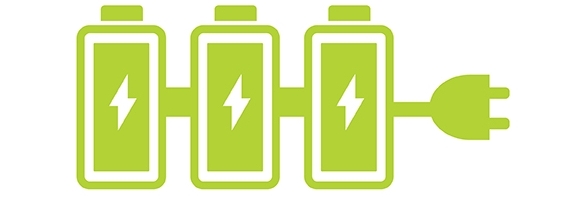
Battery Electric Vehicles (BEVs)
BEVs run entirely on electricity stored in their batteries, with no need for gasoline. Many models today can travel 200 miles or more on a single charge.
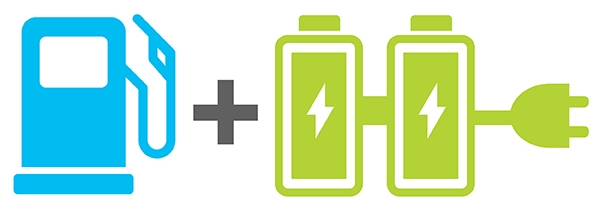
Plug-in Hybrid Electric Vehicles (PHEVs)
PHEVs are similar to traditional hybrids like the Toyota Prius but have a larger battery onboard and can be plugged in at home or at a public charger. This often enables you to commute on electricity which is inexpensive, but have the convenience and opportunity of filling up at gas stations on road trips.
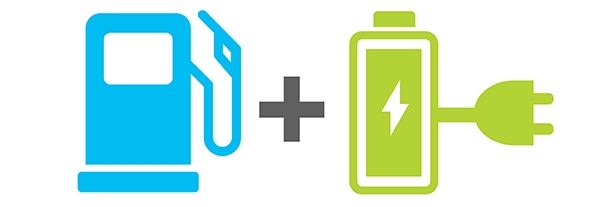
Extended-Range Electric Vehicle (EREV)
EREVs typically have relatively short-range battery systems for electric driving, but when the batteries are depleted, the car uses an onboard gasoline-powered generator that allows extended-range driving similar to other internal combustion engine vehicles.
