
How We Restore Power
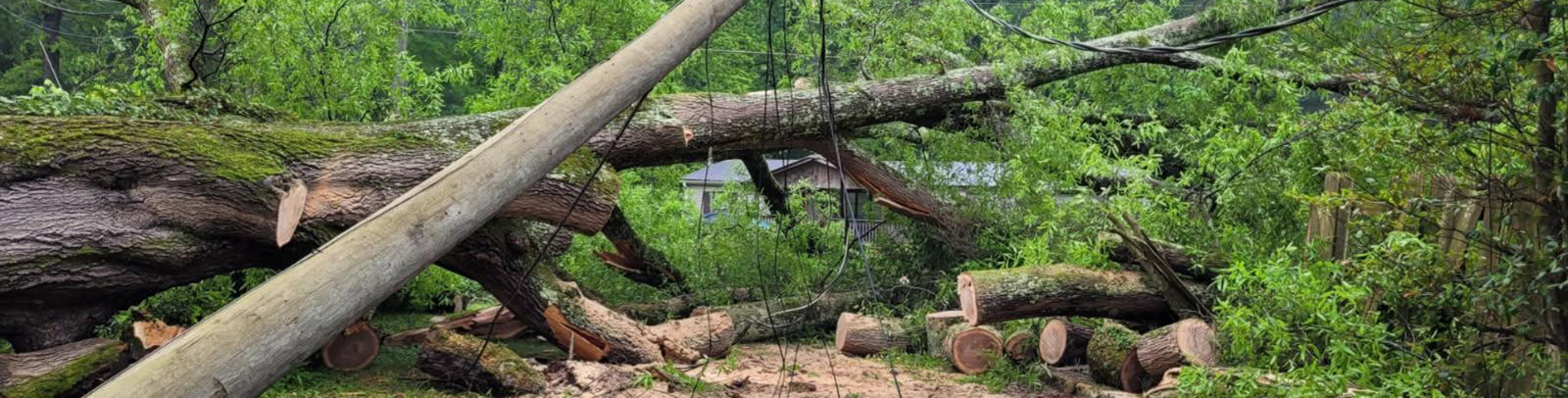
When the power goes out, we know it can feel unsettling – and you want answers fast. Our teams are trained to respond quickly and safely, with a clear plan for getting your lights back on as soon as possible.
The Typical Process Behind Restoration:
Think of the electric system like a tree. The trunk feeds the limbs, the limbs feed the branches, and the branches reach individual homes. After a storm, crews focus first on the repairs that restore the biggest sections of the “tree,” while other crews work in parallel on local damage.
 1. Safety and damage assessment
Safety comes first – for customers and crews. When conditions are safe, we assess damage, remove hazards (like downed lines in public areas), and identify the repairs that will restore the most customers first.
 2. Transmission lines and substations
Transmission lines and substations are the backbone that supplies large areas. If a transmission line is damaged or a substation can’t deliver power, everything downstream stays out – even if local neighborhood lines are intact. That’s why restoring this backbone is a top priority.
 3. Main distribution lines
These are the primary lines that run along main roads and feed neighborhoods, schools and businesses. A single repair here can restore service to hundreds or thousands of customers.
 4. Neighborhood lines, tap lines and individual services
These are the smaller lines that branch deeper into neighborhoods and connect to individual streets and homes. This stage can take longer because each repair affects fewer customers, and crews may face blocked access, broken poles, or damage that requires one-at-a-time work.
At every stage, we address public safety hazards wherever they appear – because keeping people safe can’t wait on a checklist.
Built for Alabama; Built for You
- 42% of Alabama residents live in rural areas, the second-highest percentage in the South
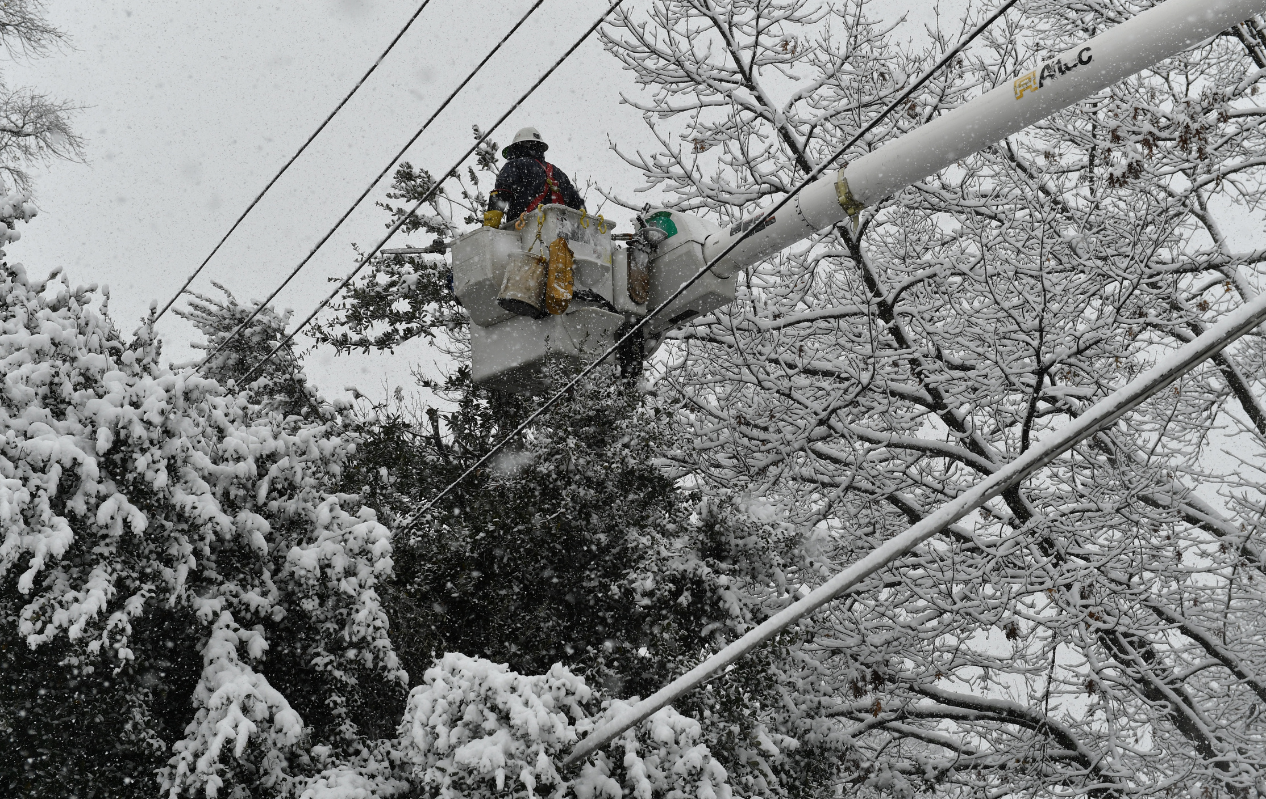
- The state is 70% forested, and trees are the number one cause of outages
- We face frequent severe weather, including an average of 57 tornadoes per year
- Homes and businesses are spread across long distances, from back roads to growing cities
All of that means our electric system has to be strong, flexible and ready to respond anywhere, anytime. We design, maintain and upgrade our grid specifically for the realities of Alabama – so whether you live in a rural community or a busy metro area, your power is built to show up.
Meter Box Damage
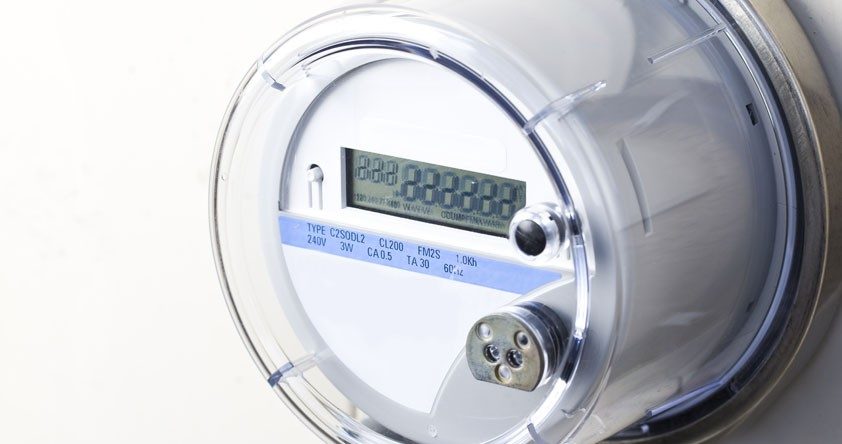
One thing to keep in mind: Your meter box is part of your home and is maintained by the homeowner. If it’s damaged by severe weather or an accident, a licensed electrician will need to make any necessary repairs before we can safely restore your power. We know that can add an extra step when you’re already waiting for the lights to come back on, but making sure the equipment is safe helps protect you, your home and our crews.
Find the Information You Need
During an Outage

Experiencing a power outage?
Use these tools to report an outage, track restoration progress, and stay informed.
Get Ready for Storms

Get Ready for Storms
Use these resources to prepare your home, protect your family, and stay safe.
Storms Where You Live

Storms Where You Live
Learn about the weather threats that can affect your area.