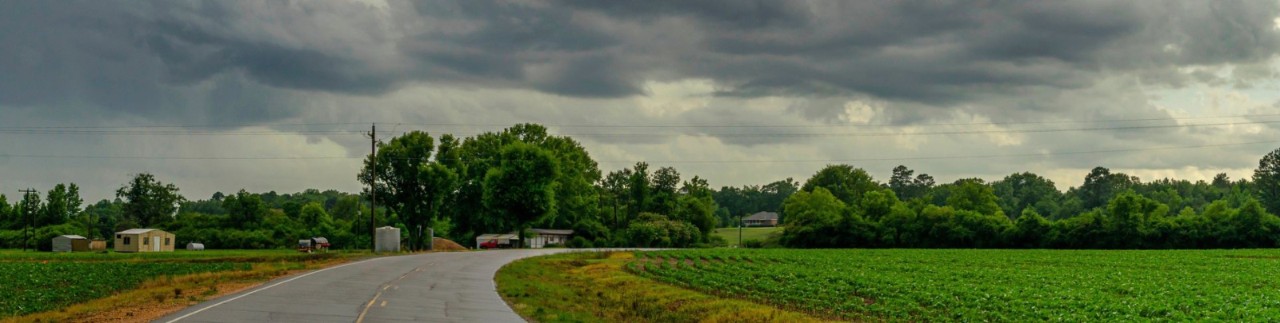

Storm Prep and Safety
We're here to help you weather the storm
Severe weather is part of life in Alabama. Whether a storm is in the forecast or you're preparing ahead of time, find the information you need to help keep you, your family and your home safe.
Are you currently without power?
- Prepare for the Storm
- Stay Safe After the Storm
A little preparation can make a big difference. Make a plan, gather the essentials and know what to do before severe weather arrives.
How to be Prepared at Home
- Charge your smart devices if a storm is coming.
- Purchase a battery-operated charger and keep it fully charged.
- Stay aware: Monitor forecasts and NOAA Weather Radio for alerts.
- Postpone outdoor activities when storms are forecasted.
- Bring outdoor pets inside.
- Take shelter in a sturdy building, away from windows, doors and electrical appliances.
- Avoid contact with electrical conductors like appliances, metal objects and water.
How to Prep Your Car
Storms don’t always affect us at the most convenient time. You may be at work, or your kids may be at school when the weather starts to deteriorate. Prepare your vehicle now in case you find yourself stuck in the middle of severe or icy conditions.
- Check antifreeze, ignition system and clean battery terminals.
- Get a brake checkup and heater/defroster maintenance.
- Ensure headlights, taillights and hazard blinkers are working.
- Use fuel additives to keep water out of the system.
- Keep a full tank of gas to prevent the fuel line from freezing.
- Check oil, thermostat, air filters and tire tread.
- Most winter conditions can be managed with all-weather radials.
- Prepare a mobile emergency supply kit:
- First aid kit
- Jumper cables, flares
- Full tank of gas
- Tow rope, tire chains or snow tires
- Bag of sand or cat litter
- Shovel, ice scraper, snow brush
- Blanket, boots, gloves, warm clothes
- Flashlight
- Water, snacks
- Cell phone charger
How to Prep Your Business
- Create and communicate a Severe Weather Plan with your team.
- Secure the building and cover windows.
- Move equipment and furniture to secure areas.
- Plan for alternate power and communication options.
- Store emergency supplies and plan for up to two weeks without utilities.
Know Your Risk
- Check your hurricane evacuation level and FEMA flood maps to determine if your business location is vulnerable to storm surge or freshwater flooding.
- Have your building(s) inspected by a licensed professional to find out if your workplace is vulnerable to hurricane force winds and what is recommended to retrofit.
Protect Employees
- Employee safety comes first! Prepare, distribute and follow your business severe weather plan for recovery.
- Consider providing shelter to employees and their families and helping with supplies after a storm.
- Establish a rendezvous point and time for employees in case communications are disrupted.
- Establish a call-down procedure for warning and post-storm communications.
- Provide photo IDs and a letter of authorization to enter the building.
Contact Customers and Suppliers
- Share your communications and recovery plan in advance.
- Prepare a list of vendors to provide disaster recovery services.
Review Insurance Coverage
- Have your business appraised at least every five years.
- Inventory, document and photograph equipment, supplies and workplace.
- Have copies of insurance policies and customer service/home numbers.
- Take out Business Interruption Insurance.
- Consider Accounts Receivable and Valuable Papers Coverage and Income Destruction Insurance. If you have Business Owners Protection Package (BOPP), check co-insurance provisions.
NOTE: Flood damage requires separate coverage and is not covered under other insurance programs.

The storm may be over, but some hazards can remain. Know what to watch for as you check your home and property and get back to your normal routine.
- Stay away from downed power lines and always assume they are live. Keep children and pets away, too.
- Avoid standing water near downed lines or damaged electrical equipment.
- Never remove tree limbs from power lines or attempt to repair electrical equipment yourself.
- Report downed lines immediately by calling 1-800-888-2726 or contacting local authorities.
- Keep refrigerators and freezers closed as much as possible to help preserve food during an outage.
- Leave one light on so you’ll know when power is restored.
- Give crews room to work. Stay clear of work areas and use caution when driving nearby.
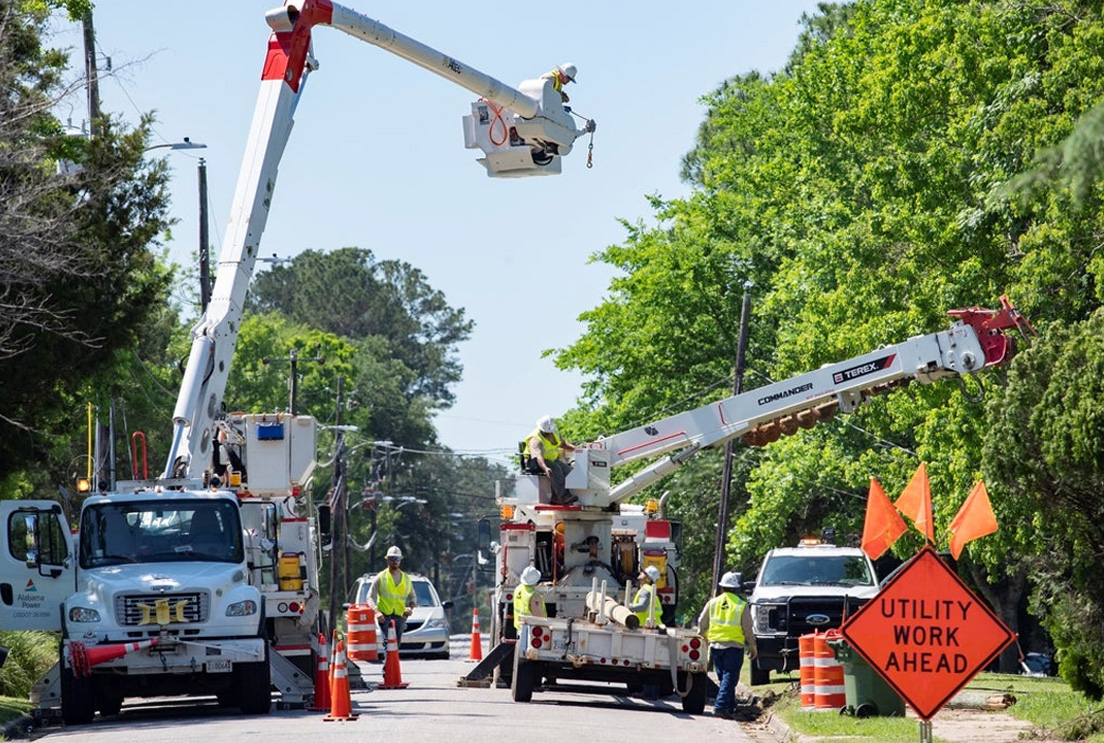
Stay Far Away from Downed Lines
If you see a downed power line, always assume it is live and dangerous. Stay far away and keep children and pets away, too.
If someone or something is caught in downed lines, do not try to help or remove it yourself. Call 911 immediately.
To report a downed power line, call us at 1-800-888-2726 or contact your local police or fire department.


Know What to Expect From Alabama Weather
Different types of severe weather call for different precautions. Learn what to watch for and the steps you can take to stay safe.
Hurricanes
Most common: June-November
You don't have to live on the coast to feel the effects of a hurricane. Strong winds, heavy rain, flooding and power outages can reach communities well inland. Making a plan ahead of time can help you act quickly if severe weather heads your way.
Tips to Help You Prepare
- Follow evacuation orders. If local officials tell you to leave, don’t wait.
- Know where you’ll go. Choose a safe destination and plan alternate routes in case roads are blocked.
- Make a family plan. Decide who will handle important tasks, including caring for pets and securing your home.
- Plan for others who may need help. Check on elderly family members, neighbors or friends who live alone.
- Know where to find shelter. Keep a list of nearby emergency shelters and important emergency contacts.
- Have a way to reconnect. Choose a meeting place and make sure everyone knows how to get in touch if you’re separated.
- Protect important belongings. Store important documents, keepsakes and other valuables in a safe place.
- Secure boats and recreational vehicles. Make storage arrangements before severe weather arrives.
Know the Terms
Knowing the following terms will help you better prepare for a hurricane.
- TROPICAL STORM – A tropical cyclone in which the maximum sustained surface wind (using the U.S. 1-minute average) ranges from 34 to 63 knots (39 to 73 mph).
- TROPICAL STORM WATCH – An announcement that sustained winds of 34 to 63 knots (39 to 73 mph) are possible somewhere within the specified area within 48 hours in association with a tropical cyclone.
- TROPICAL STORM WARNING – An announcement that sustained winds of 34 to 63 knots (39 to 73 mph) are expected somewhere within the specified area within 36 hours in association with a tropical cyclone.
- HURRICANE – A tropical cyclone in which the maximum sustained surface wind using the U.S. 1-minute average is 64 knots (74 mph) or more.
- MAJOR HURRICANE – A hurricane that is classified as Category 3 or higher.
- HURRICANE WATCH – An announcement that sustained winds of 64 knots (74 mph) or higher are possible within the specified area in association with a tropical cyclone. The watch is usually issued 48 hours in advance of the anticipated onset of tropical-storm-force winds.
- HURRICANE WARNING – An announcement that sustained winds of 64 knots (74 mph) or higher are expected somewhere within the specified area in association with a tropical cyclone. The warning is usually issued 36 hours in advance of the anticipated onset of tropical-storm-force winds.
How to stay safe before and after a hurricane
Tornadoes
Most common: March-May
Tornadoes can develop quickly and with little warning. Know where you'll take shelter before severe weather arrives – and make sure everyone in your household knows the plan.
TORNADO WATCH – Alerts the public to the fact that conditions are favorable for a tornado.
TORNADO WARNING – Alerts the public to an immediate danger of a tornado.
Tips to Help You Prepare
- Purchase a weather radio. They offer the best way to alert you to a tornado. This device picks up around-the-clock broadcasts from the National Weather Service and sounds a loud alarm with a tornado warning.
- Practice being prepared. Pick out a safe place in your home and make sure all family members, especially children, know to go there for a tornado warning. Hold tornado drills so everyone remembers what to do. Stress the importance of staying calm.
- If you live in a house: The safest place in your home is the lowest level, the basement if you have one. If not, choose a small room away from windows, like a closet, hallway or bathroom. Stay near the center of the house. Put as many walls as possible between you and a tornado. Close all doors. If your safest room is a first-floor bathroom, get in the tub and hold a mattress or cushions over your head for protection.
- If you live in a mobile home: If you hear a tornado warning, leave your home immediately and go to a nearby shelter or the basement of a building. If you don’t have time to reach a shelter, lie flat in a ditch, culvert or other low area and cover your head. Never try to flee a tornado in a vehicle.
- If you get caught outdoors: Hurry to the basement of a sturdy building. Or lie flat in a ditch, culvert or other low area. Cover your head. Do not stay in a vehicle during a tornado.
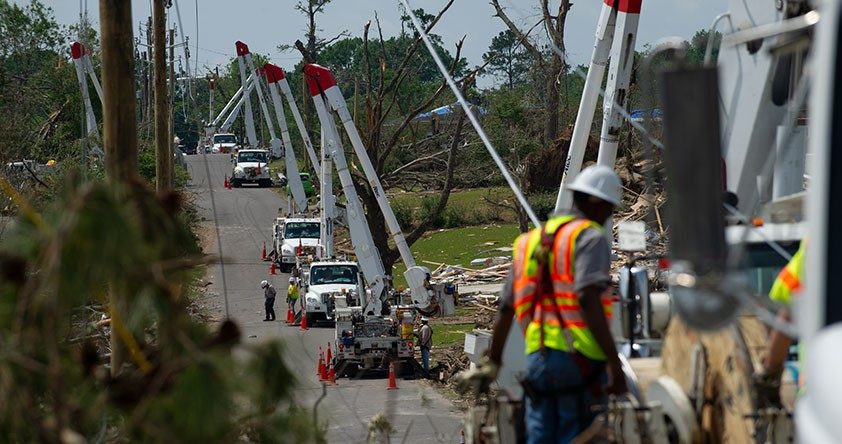
Severe Winter Weather
Most common: December-February
Snow and ice may not happen often in Alabama, but when they do, they can make roads dangerous and cause power outages. A little preparation can help you stay safe and comfortable until conditions improve.
Tips to Help You Prepare
- Avoid being on the roads.
- Outdoor pets should be brought inside.
- Stay indoors as much as possible. If you absolutely must go outside, keep the duration of your trips short.
- Keep an emergency supply kit in your car if you cannot avoid driving. Be extra careful driving and remain aware of your surroundings.
- DO NOT use a stove to supply heat for your home. Likewise, do not use outdoor grills, gas/propane heaters or generators indoors.
- DO NOT use generators indoors. Plug appliances directly into your generator. DO NOT plug your generator into your household’s electrical wiring. Learn more generator safety tips.
- Stay away from downed lines and DO NOT pull tree limbs off downed power lines or make repairs to Alabama Power equipment. Call 1-800-888-2726 and wait for help.
Know the Terms
Knowing the following terms will help you better prepare for when a winter storm does happen.
- OUTLOOK – Alerts the public to the possibility of winter storm conditions, typically issued 3-5 days prior to a storm.
- WATCH – Alerts the public to the possibility of winter storm conditions, issued 12-48 hours before the storm.
- ADVISORY – The winter storm conditions are expected to cause significant inconveniences that may be hazardous, but if caution is exercised, they should not become life-threatening.
- WARNING – Hazardous weather is occurring or imminent. Warnings are usually issued 12-24 hours prior to a winter storm beginning.
- WIND CHILL – The cooling effect of wind on exposed skin. The wind chill factor is what your body feels the temperature is, not the actual temperature. Your body’s temperature cools as the wind removes the heat surrounding it. Knowing the wind chill factor can help you determine how long it will take before your exposed skin is susceptible to frostbite.

Manage your winter power bills
Let's work together to keep your costs manageable during the colder months.
Learn More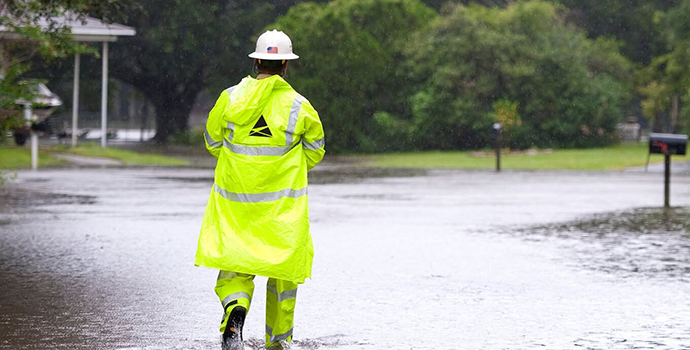
Flooding
Possible: Year-round.
Flooding can develop quickly after heavy rain, sometimes with little warning. Know when to stay put, when to move to higher ground and how to stay safe if you encounter flooded roads.
FLOOD/FLASH FLOOD WATCH – Alerts the public to rain that could cause flash flooding. Be prepared for floods.
FLOOD/FLASH FLOOD WARNING – Alerts the public to flash flooding that is happening or about to happen. Move to safe ground immediately.
Tips to Help You Prepare
Listen for flood warnings; move to higher ground if needed.
Never walk or drive through floodwaters – depth and currents can be deceptive.
Abandon stalled vehicles and seek higher ground.
Be especially cautious at night when dangers are harder to see.
Keep an emergency kit in your vehicle in case of flooding.
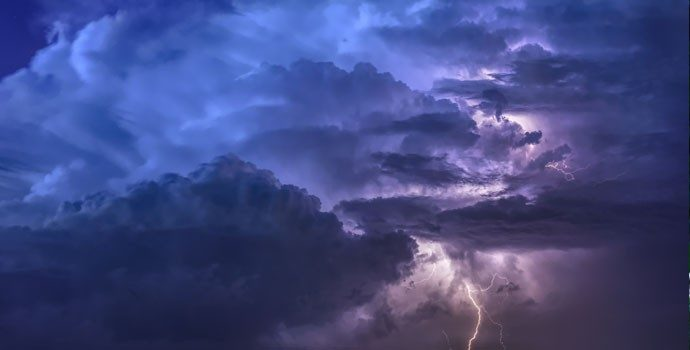
Thunderstorms
Most common: Spring and summer
Thunderstorms are a familiar part of life in Alabama, but even an ordinary storm can bring lightning, strong winds, hail and heavy rain. A few simple precautions can help you and your family stay safe.
SEVERE THUNDERSTORM WATCHES – Alerts the public to when and where severe thunderstorms are likely to occur.
SEVERE THUNDERSTORM WARNINGS – Alerts the public to storms reported by spotters or appearing on radar.
Tips to Help You Prepare
- Stay aware of weather updates via NOAA Weather Radio.
- Take shelter indoors, away from windows, doors and electrical appliances.
- Avoid using landline phones or plumbing.
- Turn off air conditioners to prevent power surges.
- Unplug unnecessary electrical devices.
- Get out of boats and water.
- Shelter under low trees if caught outside (avoid tall or isolated trees).
- In a lightning emergency, squat low with minimal ground contact.
- Do not shower or bathe during the storm.
Find the Information You Need
During an Outage

Experiencing a power outage?
Use these tools to report an outage, track restoration progress, and stay informed.
Get Ready for Storms

Get Ready for Storms
Use these resources to prepare your home, protect your family, and stay safe.
Storms Where You Live

Storms Where You Live
Learn about the weather threats that can affect your area.