

Where does Alabama Power’s electricity come from?
Alabama Power generates electricity from natural gas, nuclear, hydropower, solar, coal and wind. About 30% comes from clean energy sources. Here’s what each source does and why the balance matters.
Alabama Power’s electricity comes from a balanced energy mix of natural gas, nuclear, hydropower, solar, coal and wind. We’re also adding battery storage to help shift energy to the times customers need it most. A balanced mix matters because customers need dependable service across seasons, and because relying on a single fuel source can expose bills to sharper price swings.
Today, about 30% of the electricity generated for all customers comes from clean energy sources such as nuclear, hydropower and wind – while customers enrolled in one of our clean energy programs get even more. Solar is growing: about 250 megawatts (MW) are operating today or scheduled to be online by the end of 2026, plus about 420 MW approved and expected online by 2030 and nearly all of this serves customers through Alabama Power’s renewable energy subscription programs and rates.
Alabama Power plans future resources through an Integrated Resource Plan (IRP) that looks about 20 years ahead and evaluates different conditions for demand, fuel costs, technology and environmental compliance. When a specific resource is proposed, it goes through a separate public filing and review at the Alabama Public Service Commission (Alabama PSC).
What to Know
- Alabama Power takes an all-of-the-above approach to generation: hydropower, natural gas, nuclear, solar, coal and wind. The job requires a diverse mix of options.
- Alabama Power’s generating fleet has remained among the top 5% most reliable in the country for the past decade, according to industry data filed with the Federal Energy Regulatory Commission (FERC).
- The company plans its balanced energy mix through an Integrated Resource Plan (IRP) – a rolling, data-driven process that looks about 20 years ahead and evaluates different future conditions to make the best decisions for customers. No new generating resource moves forward without a separate filing and public review at the Alabama Public Service Commission (Alabama PSC).
Quick Facts
- About 30% of the electricity generated for customers comes from clean energy sources.
- Alabama Power has about 250 MW of solar operating today or scheduled to be online by the end of 2026, plus about 420 MW approved and expected online by 2030, and nearly all of this is used to serve solar subscription and other renewable energy programs. Solar growth is driven by customer demand and cost-effectiveness.
- Electricity demand in Alabama is growing, and winter has become the greater reliability challenge – cold events can last days, solar output is lower, and firm resources are critical.
Frequently Asked Questions
Why doesn’t Alabama Power just go 100% renewable?
Renewable energy is a growing part of Alabama Power’s mix, and the company continues to add more where it works for customers. The energy grid still has to serve homes and businesses around the clock, including multi-day cold periods when solar output is lower and demand is higher. That’s why firm resources – like natural gas and nuclear, plus tools like battery storage – are part of the plan. The goal is steady progress toward a cleaner mix while keeping service dependable and customer costs in check.
How much solar does Alabama Power have?
About 250 MW of solar are operating today or scheduled to be online by the end of 2026. In addition, about 420 MW are approved and expected to come online by 2030. Megawatt (MW) is a measure of capacity; actual solar output varies by time of day and weather. Nearly all of this solar serves customers enrolled in Alabama Power’s renewable energy programs – and is structured to provide an economic benefit to all customers.
Is Alabama Power retiring its coal plants?
Alabama Power has been converting or retiring coal units over time as rules change and as reliability allows. When faced with choices – add controls, retire a unit or convert it to another fuel – the company takes into account reliability, customer cost and compliance. Changes are sequenced so the energy grid remains dependable as the mix evolves.
Why is Plant Miller on EPA’s biggest emitters list?
The list ranks total annual emissions, not emissions per unit of electricity. Large plants that generate a lot of electricity tend to rank higher on total emissions because they run more and produce more power. Plant Miller is a large, high-output plant that provides important reliability and cost value for customers – especially during peak demand periods, including multi-day cold events when electric heating use rises.
Plant Miller has also added major controls that have sharply reduced key air emissions. Since 2007, nitrogen oxides are down 86% and sulfur dioxide is down 99%, supported by more than $1 billion in environmental improvements, including scrubbers and Selective Catalytic Reduction. Those upgrades reflect a practical reality: when a large, dependable plant still plays a role in serving customers, adding controls can be a better long-term option than retiring capacity before the system is ready.
And Plant Miller is only one part of a balanced mix. About 30% of the electricity Alabama Power generates for customers comes from clean energy sources, like nuclear, hydropower and solar.
How does Alabama Power plan new power plants?
Through the Integrated Resource Plan (IRP) – a rolling process that looks about 20 years ahead and evaluates different futures for electricity demand, fuel costs, technology and environmental requirements. The IRP identifies an optimized mix of resources to meet future capacity and energy demands in the most economic and reliable manner. When a specific resource is proposed – whether it’s built, acquired or purchased under contract – it goes through a separate public filing and review at the Alabama Public Service Commission before it can move forward. Planning is ongoing; adding a resource requires approval.
Alabama Power also has a PSC-approved Renewable Generation Certificate program that provides an expedited approval process for adding customer-driven renewable energy resources. These resources support the company’s renewable subscription and other renewable energy programs and must bring an economic benefit to non-participating customers.
What Each Source Does
 Hydropower
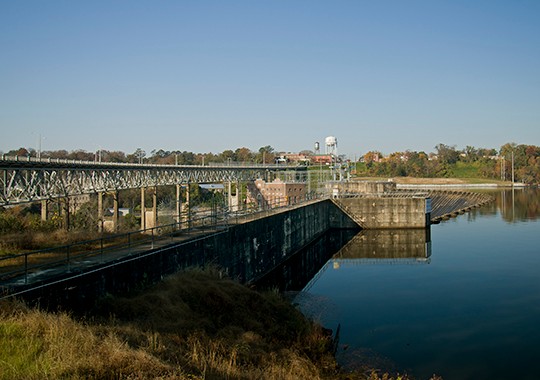
Alabama’s rivers have been generating electricity for more than a century. Hydro is clean, renewable and can ramp up quickly when demand spikes. Alabama Power operates dams and reservoirs across the state that also support recreation, flood control and water supply.
 Nuclear
Nuclear generates large amounts of electricity around the clock with no carbon emissions during operation. It’s a highly reliable 24/7 source across seasons. The tradeoff: nuclear plants are expensive to build and require long-term planning, but once they’re built, the fuel cost to generate electricity is relatively low.
 Solar
Solar
Solar produces electricity during daylight hours with no fuel cost, which helps reduce exposure to fuel-price swings. For company-owned solar, most costs are fixed. For solar purchased under long-term agreements, the price is set in advance. The tradeoff: solar output is weather-dependent and typically low on early-morning winter peaks – which is why 24/7 resources like natural gas are needed to back it up. Alabama Power has about 250 MW of solar operating today or scheduled to be online by the end of 2026, plus about 420 MW approved and expected online by 2030, and nearly all of this serves customers through Alabama Power’s solar subscription and other renewable energy programs.
 Natural Gas
Natural gas is reliable and flexible. Combined-cycle gas plants run efficiently across seasons, and fast-start peakers can come online quickly during high-demand periods. Gas supports the growth of renewable energy by filling in when solar and wind aren’t producing. (U.S. Energy Information Administration)
 Coal
Coal
Coal remains part of the current energy mix as a 24/7 resource while electricity demand grows. Alabama Power has been converting and retiring older coal units over time, with each decision based on reliability needs, customer cost and environmental compliance – sequencing changes so the energy grid stays dependable through the transition. (U.S. Energy Information Administration)
 Battery Storage
Batteries don’t make electricity; they store it and release it when the energy grid needs support. They can respond in seconds, help cover short peaks and help integrate more solar by filling gaps when solar output drops. Battery storage can also charge when costs are lower and discharge when costs are higher – and it provides added grid support like reserves and voltage support. Alabama Power will have battery storage as part of the mix by the end of 2026.
 Wind
Wind
Alabama Power purchases wind energy from facilities in other states, where wind resources are stronger and more consistent. Alabama Power has the flexibility to use this energy to serve customers directly or to sell the energy and its associated renewable energy credits – bundled or separately – to third parties for the benefit of customers. That adds another clean source to the mix.

Why Balance Matters
Alabama’s grid has to perform in a January ice storm and an August heat wave. It has to keep the lights on at 5 a.m. on a cloudy winter morning and at 3 p.m. on the hottest day of the year. Trusting all that to a single energy source is not a good idea.
That’s why the energy mix is built around diversity – so that when one source is limited by weather, fuel supply or maintenance, others can pick up the load. The Integrated Resource Plan evaluates these scenarios and guides decisions about what to build, what to repower and when. It’s reviewed by the Alabama Public Service Commission, and no new generation is built without public review and Commission approval.
Need help with your bill right now?





Sources: Alabama Public Service Commission; U.S. Energy Information Administration
Last updated: February 2026.