Bee the change: Alabama’s Auburn University leads the way in saving bees

The health of honeybees and native bees is in crisis, posing a significant threat to agriculture and ecosystems worldwide.
Bees are essential pollinators, contributing to the production of many crops that humans rely on for food. However, native bee populations are declining, and managed honeybee colonies are dying at high levels due to various stressors, including parasitic mites, pesticide exposure and habitat loss. This has serious implications for food security and biodiversity.
The work
Auburn University‘s new Bee Center — which expanded the outreach, instruction and research efforts of the Bee Lab and the AU-BEES program — is leading the charge to address this critical issue. Their mission is to perform research that promotes the health of honeybees and native bees. The center collaborates closely with the U.S. Department of Agriculture’s Agricultural Research Service Stoneville Pollinator Health Research Unit, sharing insights, jointly collecting and analyzing data and co-supervising graduate students. This collaboration has led to the deployment of new tools to manage honeybee pests, the identification of appropriate planting and management actions for wildflowers, and the understanding of invasive plants’ role in bee forage.
The Bee Center is making significant strides in bee health research. It is leading the U.S. Beekeeping Survey, which tracks the status of managed honeybee health across the country. This survey has revealed critical insights, such as the exceptional number of colony losses overall, as well as the recent higher percentage of losses among beekeepers that are tremendously important for the pollination of specialty crops. These findings inform policymakers and researchers, driving research priorities and shaping agricultural practices.
The center’s research and education work has a global focus, too, as the honeybee parasitic mite Tropilaelaps mercedesae is spreading throughout Asia and into Eastern Europe. By leading efforts to understand and manage this mite, the Bee Center is preparing U.S. beekeepers for its potential arrival, demonstrating a commitment to proactive and preventive measures.
The AU Bee Center is at the forefront of addressing high colony loss and mortality, particularly due to another honeybee parasitic mite, Varroa destructor. Through the Specialty Crop Research Initiative, a large USDA-supported project, the center has teamed up with researchers from across the United States and Canada to identify new tools and improve application methods for controlling this mite. Its field trials, conducted under typical beekeeping conditions, attest to its practical and solution-oriented approach.


Beyond research
The Bee Center’s impact extends beyond research, involving the community through teaching and outreach. Auburn students play a critical role in designing and executing experiments, communicating findings and engaging in outreach activities.
The center connects with local beekeepers and farmers through field days, statewide meetings, online surveys and direct communication to understand their needs and address them practically. A monthly regional webinar series held in collaboration with the Alabama Cooperative Extension System, as well as beekeeping demonstration videos and in-person workshops, are examples of how the Bee Center delivers education and support to its stakeholders.
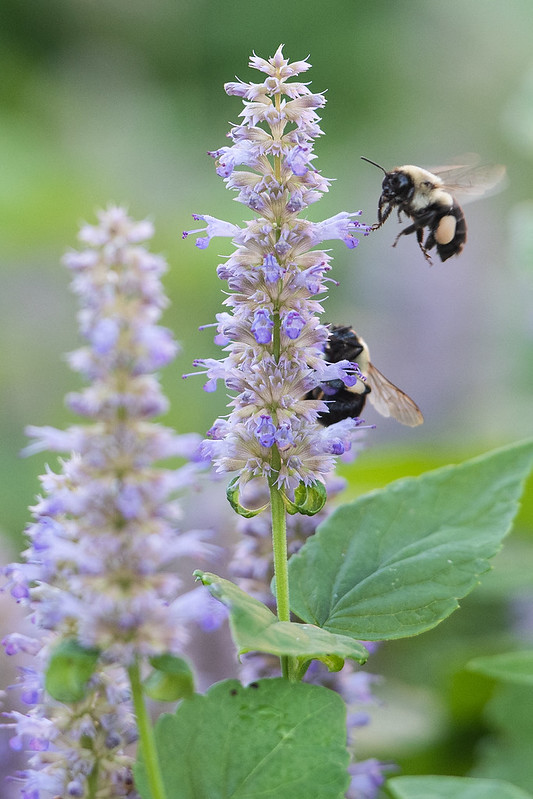
An upcoming initiative will provide immersive pollinator research and outreach experiences for undergraduate students. (contributed)
The future
Auburn’s Bee Center is not just about today; it’s about shaping the future. An upcoming initiative, SEBees, will provide immersive pollinator research and outreach experiences for undergraduate students. This will allow students to make meaningful contributions while preparing them for real-world scenarios.
The center is driving change, leading research and making a difference in bee conservation and sustainable agriculture, positioning Auburn as a leader and driver in a vital field and ensuring a healthier future for bees and the ecosystems they support.
A version of this story previously appeared on Auburn University’s website.