How advocating for a statewide plan can transform Alabama’s trail system

Alabama has a diverse and expanding trail system. From greenways and natural surface trails to gravel and paved roads, Alabama trails cater to hikers, cyclists, equestrians and outdoor enthusiasts. And Alabama’s trails advocates are working to establish a comprehensive and interconnected trail network that supports communities, stimulates local economies and enhances overall quality of life.
“The trail system is not just something for nature and outdoor enthusiasts and hikers; for Alabama, we believe that it is essential for economic progress, retention and attraction of residents, entrepreneurship, tourism and quality of life,” says Matt Hayes, vice president and east regional director of Alta Planning and Design. “Alabama is a state that is rich in natural and cultural history – trails can help tell those stories and show off what Alabama has to offer.”
The public draft of the Sweet Trails Alabama plan represents a transformative initiative designed to achieve this vision by linking every Alabama county and providing unparalleled access to Alabama’s natural and cultural treasures.
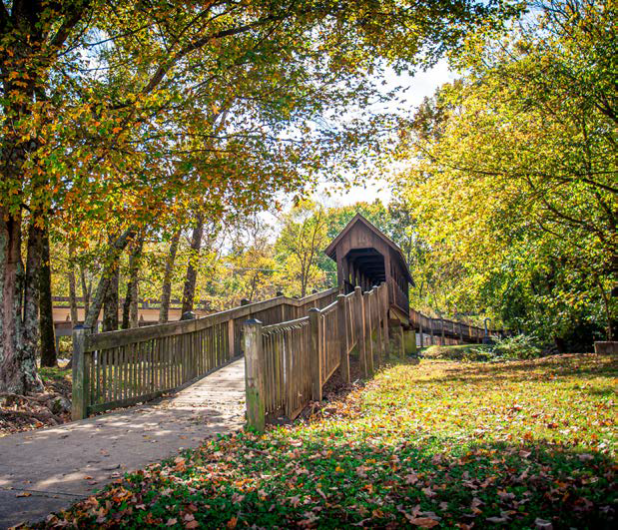
North Alabama’s Singing River Trail is proposed to create a connected greenway network of more than 200 miles when complete. (Singing River Trail)
A vision for Alabama’s future
The proposed statewide trail network is a bold and ambitious effort to connect:
- All 67 counties
- All national forests in Alabama
- 10 of Alabama’s 11 national wildlife refuges
- 128 state parks and Forever Wild lands
- 341 municipalities
With more than 7,800 miles of trails, this network introduces 6,312 miles of proposed trails while incorporating 708 miles of existing shared-use paths or natural surface trails and 827 miles of gravel roads. By incorporating greenways, gravel roads and natural surface trails, the plan offers a diverse range of experiences for all types of trail users, including hikers, bikers, equestrians and outdoor enthusiasts of all ages.
The development of the Sweet Trails Alabama plan has been a collaborative and inclusive process. Over a nine-month planning period, the project team actively sought input from communities, organizations and individuals passionate about outdoor recreation. The engagement process included:
- 1,513 public surveys collected
- 22 in-person meetings across the state
- 40 virtual sessions to reach diverse stakeholders
This widespread participation underscores the enthusiasm and commitment of Alabamians to create a statewide trail system that serves as both a recreational and economic asset.

The Sweet Trails Alabama planning team spent nine months gathering ideas and opinions through surveys, in-person meetings across the state and virtual sessions. (Sweet Trails Alabama / Facebook)
Why trails matter
One of the project’s goals is to preserve and celebrate Alabama’s natural and cultural heritage. The state is home to several ongoing trail initiatives, including the Red Rock Trail System, Pinhoti Trail, Chief Ladiga Trail and Singing River Trail. But Sweet Trails Alabama isn’t just about recreation; it’s also a vital component of the state’s economic strategy.
Trails enhance the quality of life, attract businesses and promote tourism. In fact, many major employers consider outdoor amenities essential for attracting talent and families. By improving trail connectivity, Sweet Trails Alabama aims to bolster Alabama’s outdoor recreation economy, showcasing the state as a premier destination for residents and visitors alike.
“We are such a diverse and beautiful state, and with so much to offer,” says Anna Clem, associate director of the Singing River Trail. “We want these communities to see the potential in themselves, and what an amazing opportunity we have to share our state’s beauty and resources, not only with each other but with the Southeast and even with the nation.”
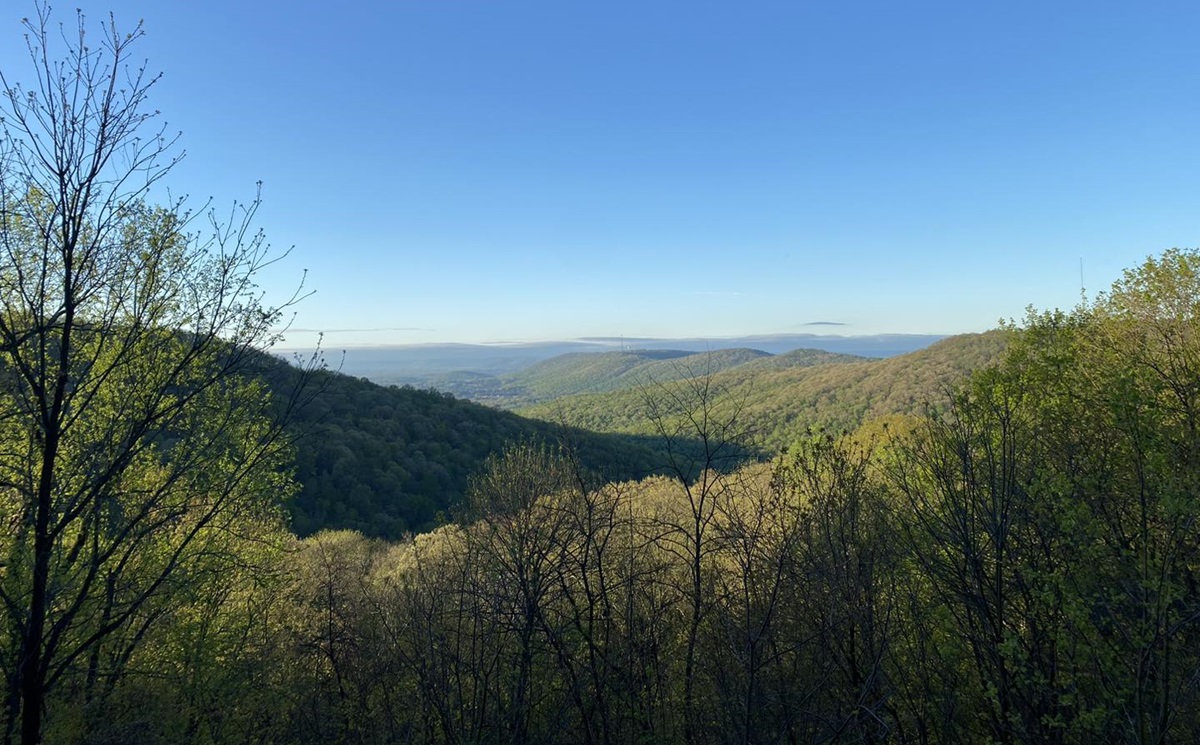
Many employers consider Alabama’s outdoor amenities essential for attracting talent and families. (Singing River Trail / Facebook)
How to advocate
For this visionary plan to be fully realized requires strong public support and advocacy. Here’s how you can help:
- Stay informed. Learn more about the Sweet Trails Alabama plan and its potential impact on your community.
- Engage with local leaders. Contact state and local officials to express your support for the plan and encourage funding and policy backing.
- Participate in public meetings. Attend discussions and planning sessions to share your insights and ensure diverse voices are heard.
- Promote the plan. Spread the word through social media, community groups and outdoor organizations to raise awareness and build momentum.
- Join a trails organization. Get involved with local and statewide trail groups to help with trail maintenance, advocacy and event planning.
This story originally was published on the SoulGrown website.