Alabama Power installing Tesla Megapacks at Gorgas BESS, increasing reliability during peak times
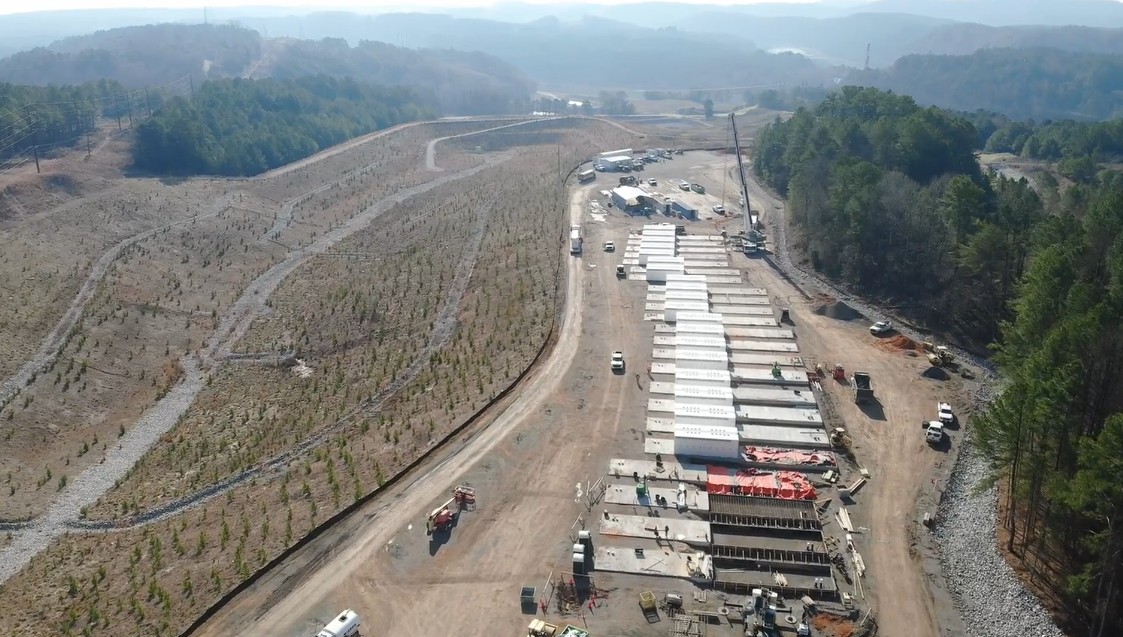
The state’s first utility-scale battery energy storage system is taking shape in Walker County and will eventually give a literal boost to Alabama Power’s reliability during peak power periods.
On the historic grounds of the former Plant Gorgas, steady progress continues on Alabama Power’s Gorgas Battery Energy Storage System (BESS) — a significant milestone in advancing large-scale battery technology in Alabama.
Over the past year, the project has moved from site preparation to active installation. Tesla Megapacks have been arriving at the seven‑acre site since Feb. 2, with the final of the 92 units expected in the coming days. The Megapacks will be connected to 46 medium voltage transformers and linked through a control house to a switchyard that will tie directly into Alabama Power’s high‑voltage grid.
“The power that charges these batteries comes from our transmission grid, and that’s really any units in our fleet that’s able to produce power,” said Cameron Key, construction manager of the Gorgas BESS project.
“The big thing to note there, though, is these units are charged during the non-peak times. This facility is designed to support our peak loads, to be able to put that additional power out that’s needed,” Key explained. “So we charge during the non-peak times, and then put our power out during peak load times.”
RELATED: Alabama Power to build state’s first utility-scale battery storage system on Plant Gorgas site
Once fully commissioned, the Gorgas BESS will be capable of storing 150 megawatts of electricity, enough to power roughly 9,000 homes for two hours. The system can charge in just over two hours, enabling it to absorb excess energy when demand is low and discharge when the grid needs support — particularly during peak usage times.
“Historically, when you think about power generation, you had to use it as you made it and so what this system allows us to do is actually store energy,” said Jonathan Watts, assistant site manager at the Gorgas BESS site.
It’s a totally different way for Alabama Power to be ready to supply power for customers when needed.
“The Gorgas BESS facility provides Alabama Power customers affordability, reliability and a sustainable option for their power,” Watts said.


Each of the 92 Megapacks has 24 battery modules for a total of 2,208. Each Megapack weighs about 86,000 pounds and is delivered on a flatbed truck from Lathrop, California where they are produced.
Beyond its technical capabilities, the project symbolizes the evolution of Alabama Power’s generation mix. By reusing the retired Plant Gorgas site, the company is honoring more than a century of history while advancing sustainable solutions for future generations.
“This does provide a bright future for the existing Gorgas site, which has a long history here, and we’re proud to have the opportunity to be a part of it,” said David Tait, the leader of the team that will operate and maintain Gorgas BESS.
SEE MORE: End of an era: Alabama Power family bids goodbye to Plant Gorgas
Alabama Power, project partners implode retired Plant Gorgas structures
Alabama Power, project partners safely demolish retired Plant Gorgas vent stack
When complete, the Gorgas BESS will serve as a learning platform for how large‑scale batteries can enhance reliability, manage costs and support renewable integration across Alabama Power’s network. It’s a tangible example of innovation rising from tradition — a new chapter in the Gorgas legacy.
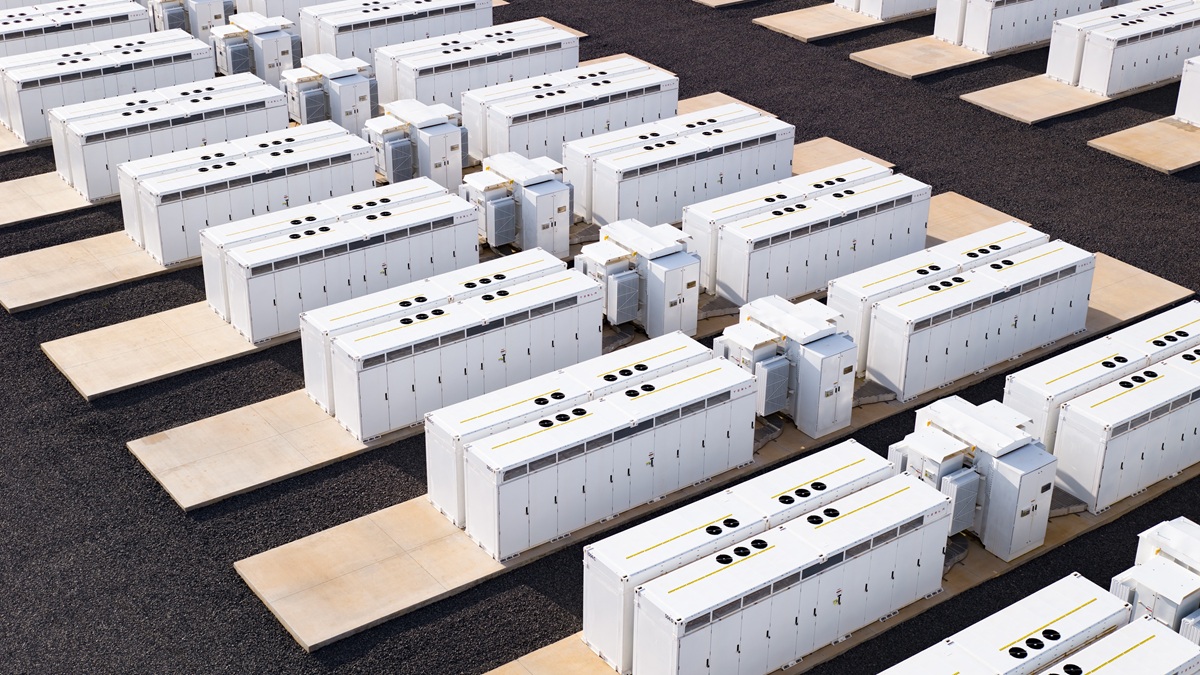
Each Tesla Megapack has 24 battery modules for a total of 2,208. Each Megapack weighs about 86,000 pounds and is delivered on a flatbed truck from Lathrop, California where they are produced. (Tesla)