

Are Rates Going Up
Are Alabama Power rates going up? Here's what's happening through 2027
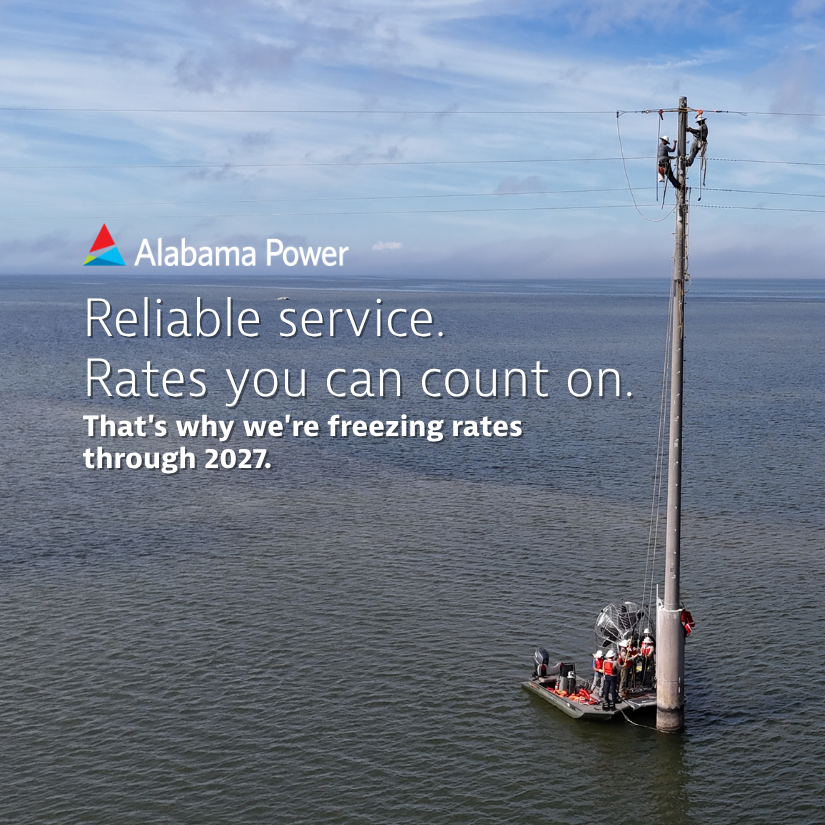
Customer rates are frozen through 2027. Bills can still change with usage. Here’s what affects your bill – and your options.
Customer rates are frozen through 2027 under the Alabama Public Service Commission (PSC) framework. Alabama Power’s retail rate is around the national average, and more than 200 Southeast utilities charge higher rates, according to federal EIA data (Table 10). What often drives higher monthly bills in Alabama is usage – especially heating and cooling – not the rate alone.
What to Know
- Customer rates are frozen through 2027 under the PSC-approved framework.
- Alabama Power’s retail rate is around the national average, not the highest in the Southeast.
- A rate is the price per kilowatt-hour (kWh). A bill reflects how much electricity your home uses.
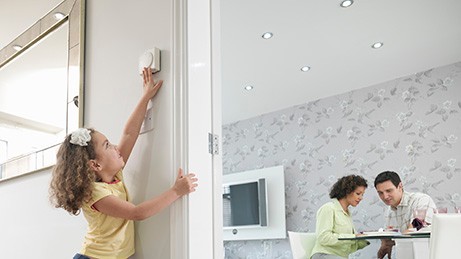
- Alabama homes use about 30% more electricity than the U.S. average, and heating and cooling are usually the biggest drivers of bill swings.
- The biggest lever most customers can control is usage – especially heating and cooling. Home weatherization and rate-plan fit are the next biggest levers.

Quick Facts
- Alabama Power’s 2024 retail rate was 12.79 cents per kilowatt-hour, compared to the U.S. average of 12.94 cents.
- More than 200 Southeast utilities charge higher rates, according to federal EIA data (Table 10).
- Month-to-month bill changes are driven mainly by how much electricity your home uses.
- Heating and cooling account for more than 50% of the energy used in the average American home. (U.S. Energy Information Administration)
- Alabama homes use about 30% more electricity than the U.S. average. (U.S. Energy Information Administration)
- Alabama’s average residential bill is higher than the national average largely because of higher electricity usage. (U.S. Energy Information Administration)
Frequently Asked Questions
Are Alabama Power rates going up?
No. Customer rates are frozen through 2027 under the Alabama Public Service Commission framework. Monthly bills can still change based on usage, especially during months when heating or cooling runs longer.
Does Alabama Power have the highest rates in the Southeast?
No. Alabama Power’s retail rate is around the national average, and more than 200 Southeast utilities charge higher rates, according to federal EIA data.
Why do some sources say Alabama Power rates are the highest?
Usually because three different things get blended together: the utility’s rate, a customer’s monthly bill, and utility models that are not built the same way.
When usage rises – especially from heating and cooling – bills rise too, even when rates are frozen. And when different utility models are compared without context, the result can sound precise while still being misleading because three different things get blended together: the utility’s rate, a customer’s monthly bill, and utility models that are not built the same way.
Is it fair to compare Alabama Power’s rates to TVA or Huntsville Utilities?
Not as a stand-alone claim. Huntsville Utilities buys wholesale power from TVA, a federally owned corporation. TVA pays no state or federal income taxes, and it finances its system with tax-exempt federal debt. Those are permanent, built-in cost advantages Alabama Power does not have.
Alabama Power is a vertically integrated utility that pays taxes like any other Alabama business and borrows at commercial rates to build and maintain its own generation, transmission, and distribution system.
Both utilities recover their costs through customer rates. But the costs themselves are different – so the rates are different. That is a reflection of how each system is built, not how well it is run.
Those are different utility models. Comparing one headline rate number to another as if they are the same product is not an apples-to-apples comparison. A fair comparison looks at reliability, service, and the total value customers receive – not a single cents-per-kilowatt-hour number.
How should electric costs be compared fairly?
A fair comparison looks at three things together:
- the retail rate
- a typical monthly bill at the same usage level
- service reliability
Rate alone is only one piece. A home in Alabama and a home in Ohio can pay the same rate and have very different bills because they use different amounts of electricity. And two utilities with the same cents-per-kilowatt-hour number can deliver very different service. The full picture is price, usage, and reliability – together.
What’s the difference between a “rate” and a “bill”?
The rate is what one kilowatt-hour (kWh) costs. Usage is how many kWh your home uses. Your bill reflects both. That’s why two homes on the same rate can have very different monthly bills. In Alabama, usage often swings with weather – especially heating and cooling – and that is what drives most month-to-month changes.
If rates are frozen, why can my bill still change?
Even while rates are frozen, usage can rise when heating or air conditioning runs longer – and that’s what moves your bill. Heating and cooling account for 50% to 70% of the energy used in the average American home. (U.S. Energy Information Administration)
Some bill items can also change under PSC-approved tariffs, like taxes and seasonal billing tier updates.
What’s the simplest way to take advantage during the rate freeze?
Lower usage where it counts most: heating and cooling. Start with quick steps – replacing filters, clearing vents and adjusting your thermostat – then move to home weatherization for bigger impact.
How do I know which rate plan fits my household?
Use Rate Advisor to match your habits and goals to available rate options.
Need help with your bill right now?


Source: U.S. Energy Information Administration (EIA).
Last updated: July 2026.