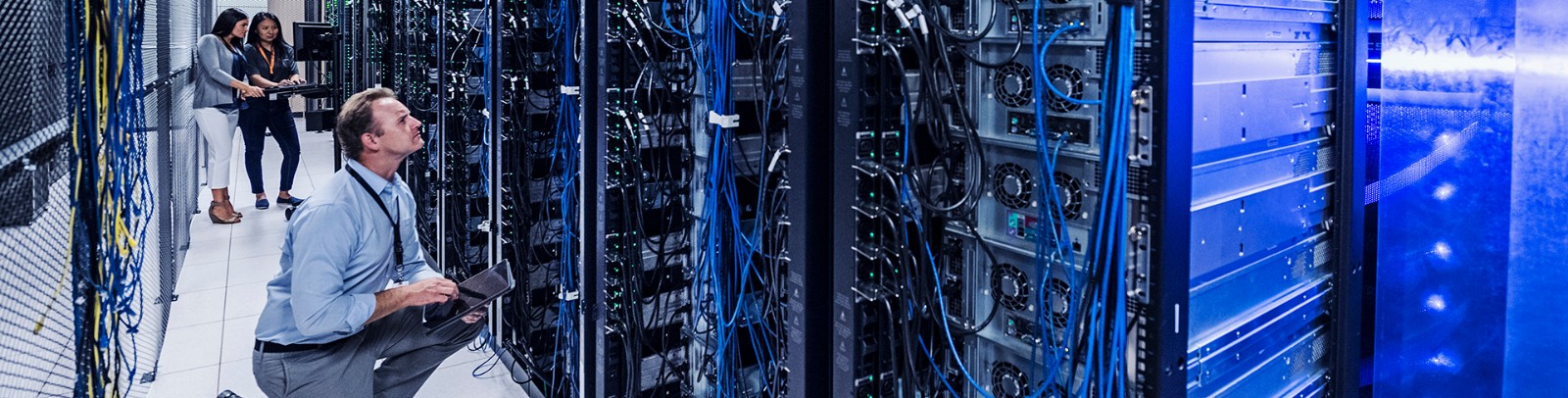

Data Centers and Bills
Will large-load data centers raise my Alabama Power bill? Here's how large-load costs are handled.
Large-load data centers go through studies and cost-responsibility rules, so project-specific costs don't shift to other customers.
Short answer: Alabama Power requires large-load data centers and other large-load customers to pay the full cost to serve their energy needs, so costs are not shifted to existing customers. Engineering and planning studies determine the upgrades needed to protect reliable service.

What to Know
Large-load requests are not “plug-and-play.” They go through engineering and planning studies to determine what upgrades are needed before service begins.
"Full cost to serve” means the large-load customer pays the costs created by serving its energy needs, including dedicated facilities, delivery upgrades and customer-specific capacity obligations.
Agreements include risk-management terms, such as minimum bills and minimum term lengths, to protect other customers if a project changes or leaves.
Quick Facts
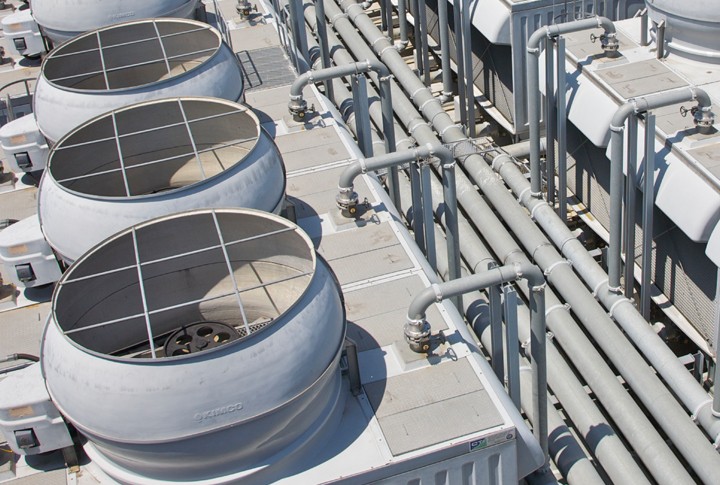
Large-load data centers often run 24/7 and use electricity for computing equipment and cooling systems.
Before service begins, Alabama Power studies the request and builds needed upgrades first to ensure reliable service.
Cost responsibility is tied to each project, ensuring customer-specific costs don’t shift to other customers.
The Alabama PSC reviews and approves large-load agreements.
Frequently Asked Questions
Will large-load data centers make my power bills go up?
No. Large-load data centers and other large-load customers pay the full cost to serve their energy needs, so costs are not shifted to existing customers. That includes the facilities, upgrades and capacity built to serve them.
What does “full cost to serve” mean?
It means the large-load customer pays the costs created by serving its energy needs – including dedicated facilities, delivery upgrades and customer-specific capacity obligations – so costs do not shift to other customers.
How do you protect reliability as these loads grow?
Large-load requests undergo engineering and planning studies to determine what upgrades are needed, where and when – before service begins. Alabama Power builds the necessary infrastructure so that serving a new large customer protects service for existing customers.
Why aren’t all contract details public?
Some details may be commercially sensitive, but the principles are consistent: cost responsibility, risk protections and reliability planning supported by regulatory processes and oversight. The Alabama PSC reviews and approves large-load agreements through a standardized regulatory process.
What if a data center scales back or leaves?
That’s why agreements can include minimum bill and minimum term provisions – so other customers aren’t left covering customer-specific investments.
Bottom Line
Alabama Power uses a disciplined approach for large-load customers, like large-load data centers, so they pay the full, fair cost to serve and other customers are protected on reliability and costs.
Need help with your bill right now?





Sources: Alabama Power; Alabama Public Service Commission
Last updated: January 2026