OUTAGES AND STORM CENTER
Are you currently without power?
Find the tools and information you need for severe weather, report an outage and stay informed.

Get ready. Get through it. Get back to normal.
Find what you need before, during and after severe weather.
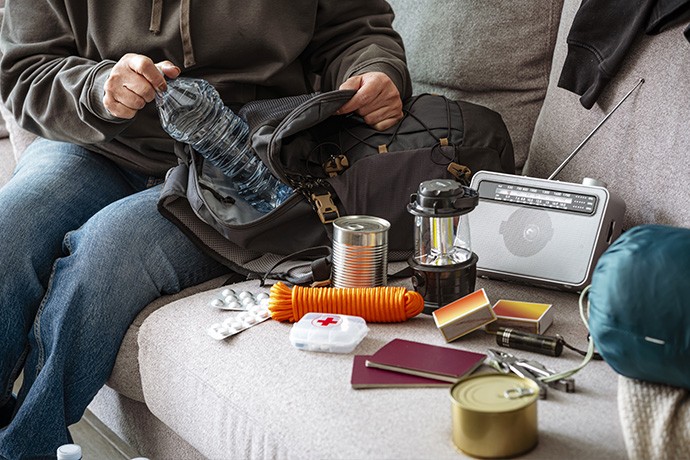
Prepare for severe weather
Find our safety tips and resources to help you and your family stay prepared before, during and after a storm.
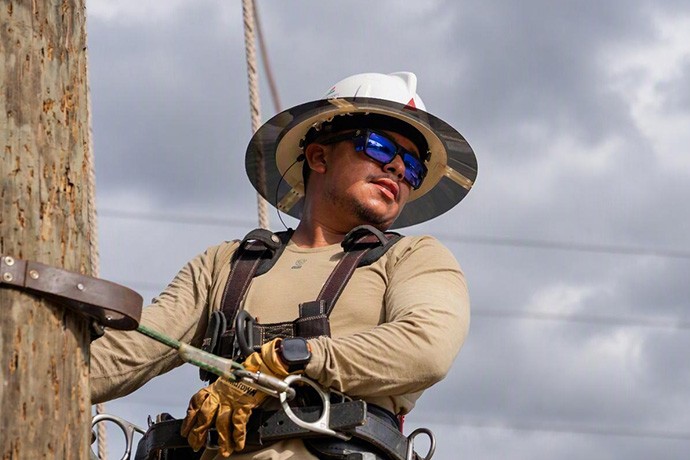
Wondering how power gets restored?
See how our teams respond to outages and work to restore your power safely and as quickly as possible.
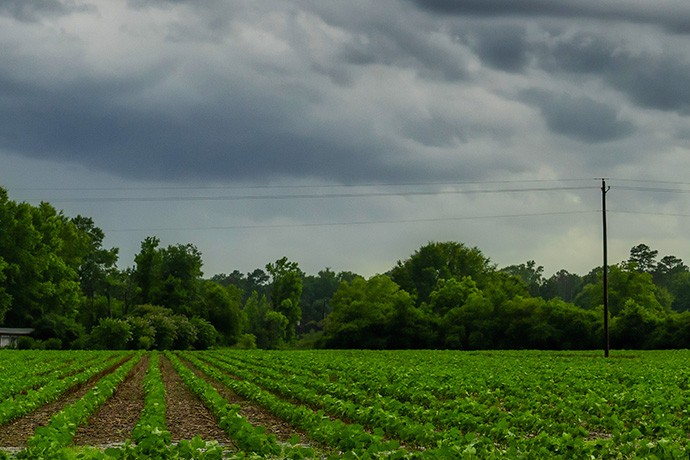
Seasonal storm resources
Find timely articles about severe weather, storm safety and what to know throughout the year.
Stay updated on your power
Get outage alerts by text, email or phone so you can stay informed about your service.
Follow us in the field
Find our real-time updates, outage information and storm recovery news on social media.






Storm Talks With the Team
How to stay safe before the storm
Safety after the storm
Who is on storm duty?
Your Storm Questions, Answered
How do I report an outage?
You can report an outage online by logging into your Alabama Power account or by calling us at 1-800-888-2726.
You can also sign up to recieve outage alerts and updates via text, email or phone.
To view your outage status and other outages in affected areas, check out our outage map.
Why did my power blink?
A brief power blink can happen when protective equipment on our system detects a problem and quickly works to automatically redirect power and keep your lights on, avoiding a prolonged outage.
Why did I lose power when my neighbor didn't?
Homes near each other aren't always served by the same power lines or equipment, so one home may lose power while another stays on.
Why is my outage taking so long?
Some outages take longer to restore because of the type or extent of damage, accessibility or repairs needed before power can safely be restored.
I don't see any crews. Is anyone working on my outage?
Yes. Restoring power can involve work in several locations, including areas you may not be able to see from your home. Crews may also be addressing the source of the outage before repairs can begin in your neighborhood.
How do I report a streetlight that's out?
You can report a streetlight outage online at the link below. Having the street name or pole number handy can help us identify the light.
I still have a question.
We're here to help.
Find the Information You Need
During an Outage

Experiencing a power outage?
Use these tools to report an outage, track restoration progress, and stay informed.
Get Ready for Storms

Get Ready for Storms
Use these resources to prepare your home, protect your family, and stay safe.
Storms Where You Live

Storms Where You Live
Learn about the weather threats that can affect your area.