

Stockton Solar Project
What is the Stockton Solar project in Baldwin County – and how does it affect Alabama Power customers?
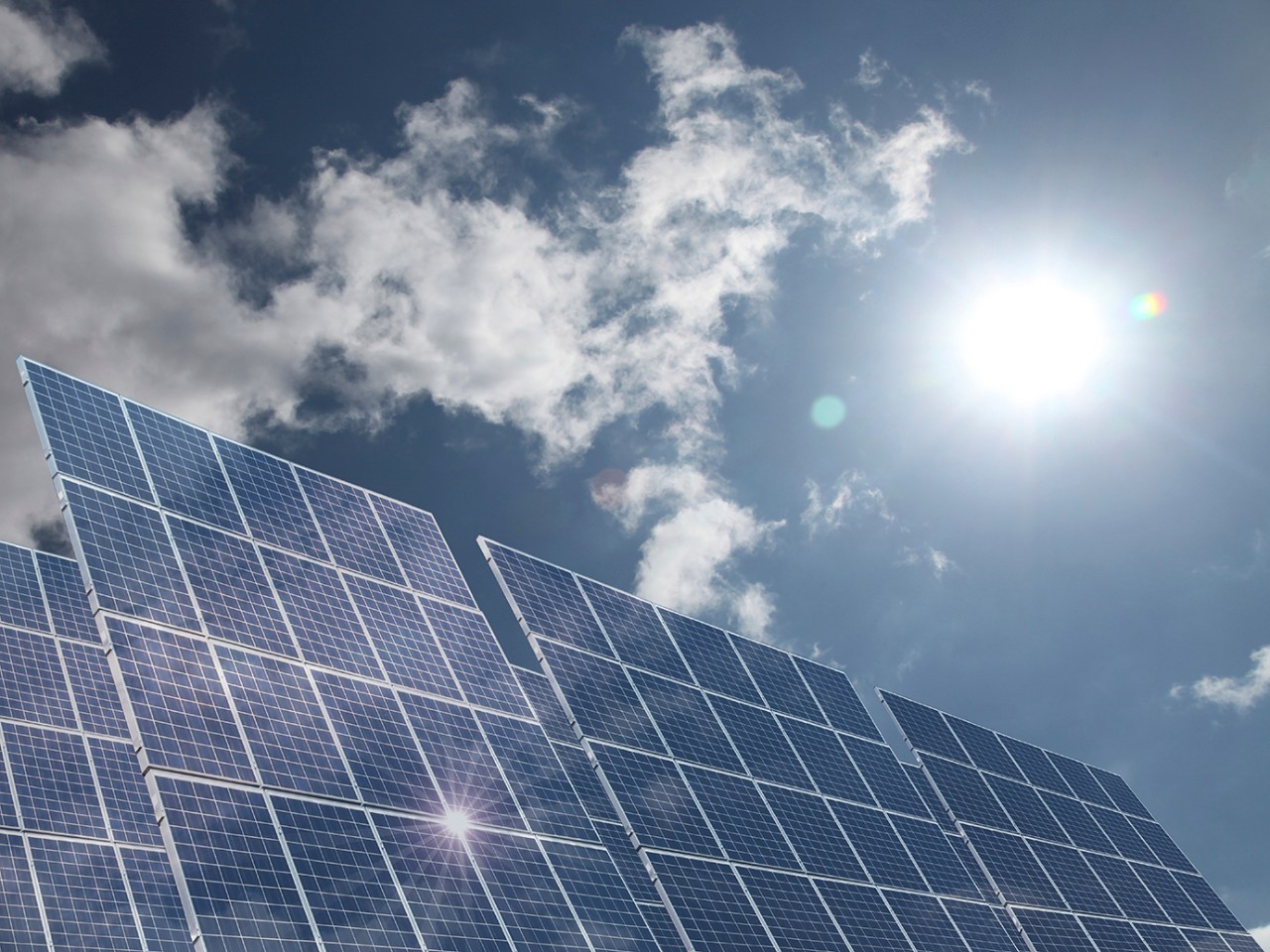
Two solar facilities totaling 260 megawatts are planned near Stockton. Silicon Ranch is the developer. Alabama Power has a contract to purchase the power, and it is subscribed by a large customer as part of the Renewable Subscription Program (RSP) under terms that protect other customers from the costs.
Short answer: Silicon Ranch is developing two solar facilities totaling 260 megawatts on private land near Stockton in Baldwin County. A large customer supported the project through the RSP to meet its own clean energy goals and covers the costs – other Alabama Power customers are protected. The subscribing customer receives the project’s Renewable Energy Certificates (RECs) – the environmental credits that allow the customer to count this energy toward its corporate clean energy commitments. Questions about the site, land and construction should be directed to Silicon Ranch.
What to Know
- Silicon Ranch is the developer. They purchased the land, are building the facilities and will own and operate them for the project’s useful life. Alabama Power is not building or siting this project.
- A large customer has subscribed to this project to meet its clean energy goals. Alabama Power has executed power purchase agreements to buy the energy and RECs from these facilities. The subscribing customer receives the project’s Renewable Energy Certificates (RECs), which are environmental credits that allow the customer to count this energy toward its corporate clean energy commitments.
- Other customers are protected. The RSP contract is structured so the subscribing customer – not other Alabama Power customers – covers the costs associated with the Stockton projects.
- The PSC reviewed the economics – not the site. The Alabama Public Service Commission’s authority covers the economics of the power purchase agreements and customer RSP contract – determining whether they are in the public interest for Alabama Power’s customers. Siting, environmental impacts, local permitting and community involvement fall outside the PSC’s jurisdiction.
- Environmental review and permitting are separate processes. Silicon Ranch is working in coordination with the U.S. Army Corps of Engineers and the U.S. Fish and Wildlife Service. Federal, state and local environmental requirements apply to the project. Silicon Ranch has stated they are designing the project to avoid wetlands and other sensitive areas.
- The solar panels are manufactured in Alabama. The project will use panels made by First Solar at their manufacturing facility in Lawrence County, Alabama – a $1.2 billion investment that employs more than 800 Alabamians.
Quick Facts
- Silicon Ranch estimates the project will generate approximately $14 million in tax revenue and 300 construction jobs for Baldwin County. (Silicon Ranch)
- Of the 4,500-acre site – a former industrial timber tract – Silicon Ranch plans to place solar infrastructure on approximately 2,000 acres and manage the remaining 2,500 acres in permanent conservation.
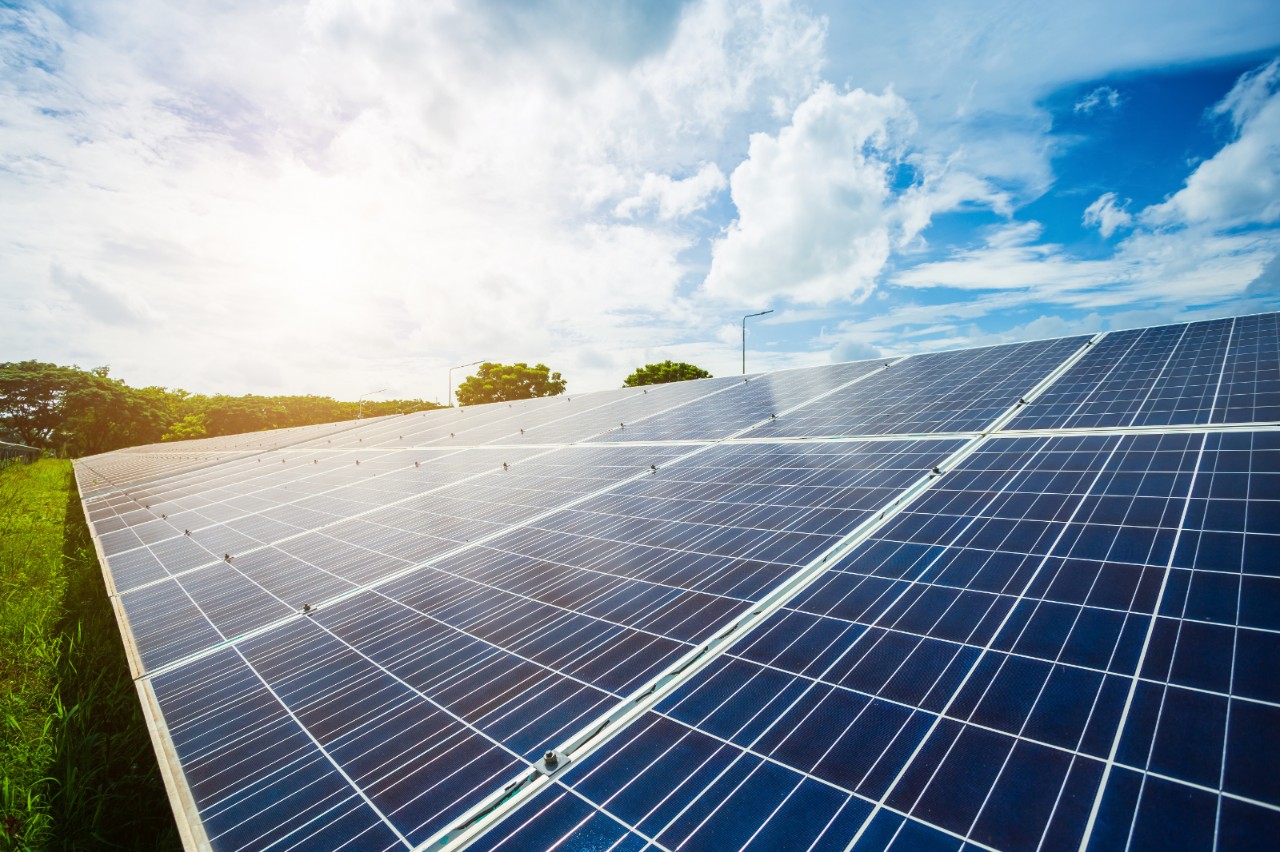
- The panels will be manufactured by First Solar in Lawrence County, Alabama. First Solar’s cadmium telluride (CdTe) panels are encapsulated between layers of tempered glass, are not classified as hazardous, and have been deployed across the country for more than 20 years. (First Solar)
- The PSC’s jurisdiction does not extend to siting, environmental impacts or local land-use approvals. (Alabama PSC)
- Construction is expected to begin in 2027, with the project operational by 2028. Silicon Ranch is holding community meetings before installation begins.
Frequently Asked Questions
Is Alabama Power building a solar farm in Baldwin County?
No. Silicon Ranch is the developer – they purchased the land and are building the facilities. Alabama Power has agreements to purchase power and RECs from the project. The contract is structured so the subscribing customer covers the costs – not other Alabama Power customers.
Will this raise my Alabama Power bill?
No. The contract is structured so the subscribing customer covers costs associated with purchases from the Stockton projects – not other Alabama Power customers. That’s how renewable subscription program contracts are structured – to protect other customers. Additionally, Alabama Power is freezing customer rates through 2027.
Why wasn’t the community notified before the PSC approved this?
The PSC’s review focused on whether the power purchase agreements, taken together with the customer’s subscription contracts, are in the interest of Alabama Power's customers – including whether they provide an economic benefit for non-subscribing customers. The PSC does not have jurisdiction over siting, environmental impacts or local land-use decisions. Those are handled by the project developer and the relevant federal, state and local agencies. Silicon Ranch is the appropriate point of contact for questions about community involvement, and they are holding community meetings before installation begins in 2027.
What role does the PSC play in approving solar projects like this?
When Alabama Power enters a power purchase agreement with a developer, and a customer subscribes to that project through the Renewable Subscription Program, the PSC reviews the economics of those transactions – whether they provide an economic benefit for non-subscribing customers. The PSC does not regulate the developer building the facility. It has no authority over siting, no authority over environmental impacts and no authority over other local approvals.
What about the environmental impact – wetlands, the Delta, gopher tortoises?
Those are important questions, which are being addressed through separate federal, state and local environmental review processes, not through the PSC or by Alabama Power. Silicon Ranch has stated they are working with the U.S. Army Corps of Engineers and the U.S. Fish and Wildlife Service, and that the project is being designed to avoid wetlands and other sensitive areas. Silicon Ranch is the right contact for specifics on environmental planning. Alabama Power expects all permitting requirements to be met.
Alabama Power’s service territory doesn’t include the Stockton area. Why is this project there?
Silicon Ranch chose this location, not Alabama Power. The site – a former industrial timber tract on private land – offers access to existing Alabama Power transmission infrastructure. Silicon Ranch estimates the project will generate approximately $14 million in tax revenue and 300 construction jobs for Baldwin County, and they plan to manage 2,500 acres in permanent conservation. Questions about siting and local impact should be directed to Silicon Ranch.
What happens to the panels during a hurricane?
Silicon Ranch has stated that the facilities are designed to withstand hurricane-force winds. The system uses tracking technology that automatically monitors weather conditions and enters a protective stow mode, laying panels flat to reduce wind exposure. Silicon Ranch has pointed to the performance of its facilities during Hurricane Helene as evidence of this design’s effectiveness. For specifics on storm resilience, Silicon Ranch is the right contact.
Are the solar panels safe? What about cadmium?
The project will use cadmium telluride (CdTe) panels manufactured by First Solar. These panels are encapsulated between layers of tempered glass, do not contain liquids that can leak, and are not classified as hazardous. CdTe is a stable compound – not the same as elemental cadmium. These panels have been deployed across the country for more than 20 years without a safety incident, according to First Solar. They pass EPA toxicity testing and rigorous weather testing, including hail. (First Solar)
Where can I learn more or ask questions about the project?
Silicon Ranch is the developer and the right point of contact for questions about the site, construction, environmental review and community engagement. They have a project page with detailed information and a comment form.
Need help with your bill right now?





Sources: Alabama Public Service Commission; Silicon Ranch; First Solar.
Last updated: April 2026