Alabama Power donates $5,000 to Museum of Attalla, the company’s birthplace

The Museum of Attalla, housed in the former historic Alabama Power business office, announced that it recently received a $5,000 donation from Alabama Power to invest in preserving its history and stories that helped shape the community.
In addition to the funding, Spencer Williams, an Alabama Power community relations manager for the Eastern Division, donated a historical display that honors the company’s founder, William Patrick Lay.
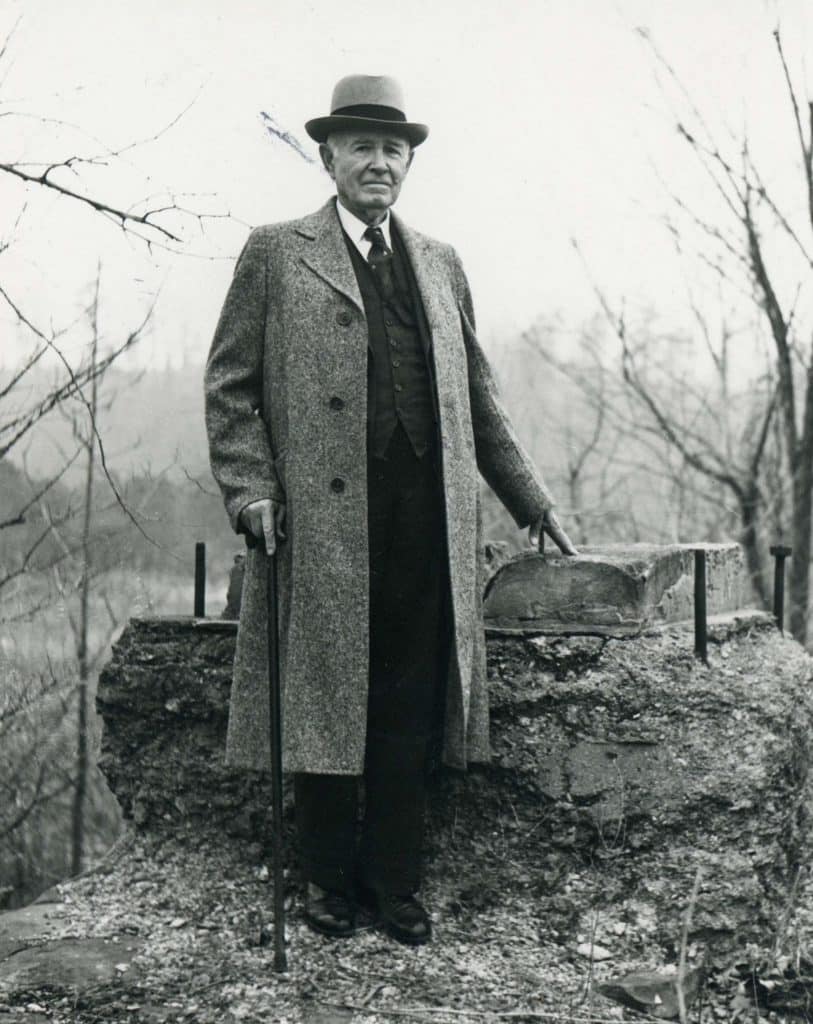
William Patrick Lay (1853-1940) was the founder and first president of Alabama Power Company. A Cherokee County native, Lay piloted riverboats before founding the company in 1906. (From Encyclopedia of Alabama, courtesy of Alabama Power Company)
“The museum stores a lot of Alabama Power’s history and artifacts,” Williams said. “I feel that we essentially took a portion of that history back home. We are proud to support the museum because the city of Attalla paved the way for the company’s creation on Dec. 4, 1906, establishing a century-long bond with the community.”
Attalla, located in Etowah County, is called the birthplace of Alabama Power. At the site of the old Wesson Mill on Big Will’s Creek, William Patrick Lay built a small dam and hydroplant from 1902 to 1903, bringing water and electricity to Attalla.
“I was born in this town,” said Sheila Lankford, a retired educator who is now the volunteer curator for the museum. “For decades, the Alabama Power business office was in Attalla. I remember the building when I was as young as four years old.”
When the office closed in 2019, it was purchased by the city of Attalla and converted into a museum.
The idea for the museum began when Lankford, driven by fond memories of the historic Alabama Power building, approached Mayor Larry Means of the city of Attalla to propose transforming the space into a museum. In response, the Attalla City Council formed a committee consisting of representatives from each district and other community members. Over the course of several years, the committee developed a comprehensive plan and vision for the project.


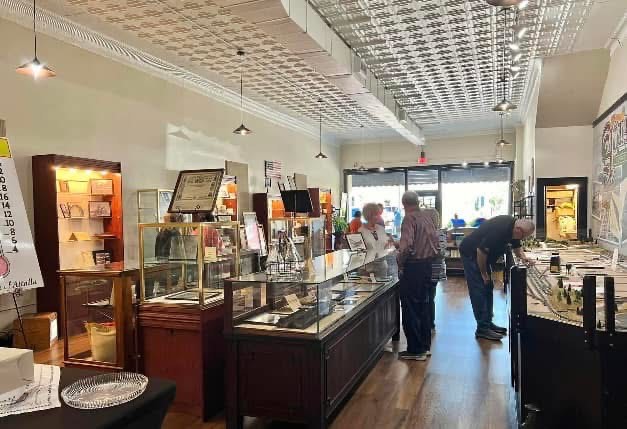
Take a tour of the Museum of Attalla to see where Alabama Power began while uncovering unique stories about the city. (Glen Champion)


“This building is so deeply rooted in local memory that even today, people still come in wanting to pay their power bill,” Lankford said. “After the building sat vacant for several years, this historic space found new life when the museum moved in, officially opening its doors in October 2024.”
The Museum of Attalla committee organized the museum into phases that reflected their personal memories of the town’s history.
Lankford said she reached out to Glen Champion, a retired computer programmer she’s known for decades, to assist with the project.
“I love this community,” Champion said. “I’ll do whatever is needed to help this museum succeed, whether it’s restoring, repairing and colorizing photos or conducting research or providing computer support.”
Visitors to the museum are greeted by the iconic Alabama Power Reddy Kilowatt neon sign proudly displayed outside the building.
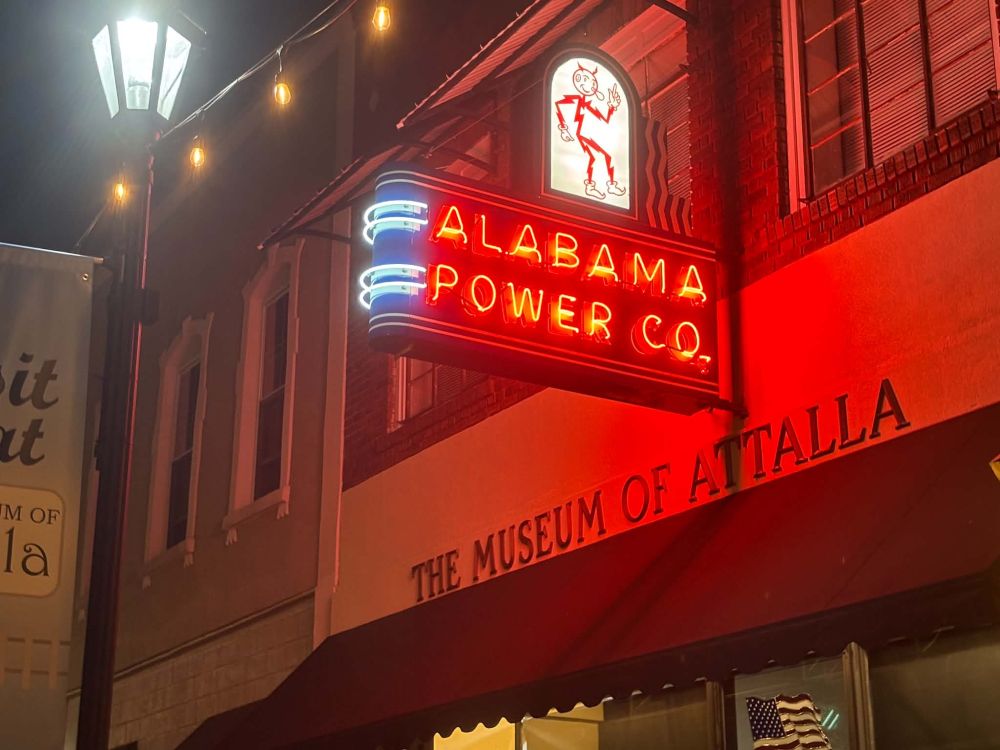
Created in Alabama by Ashton B. Collins Sr., Reddy Kilowatt was the electric industry’s most recognized trade symbol for more than half a century and represented more than 300 utilities in the country and abroad. (Glen Champion)
Take a tour of the Museum of Attalla to see where Alabama Power began while uncovering unique stories about the city. (Glen Champion)
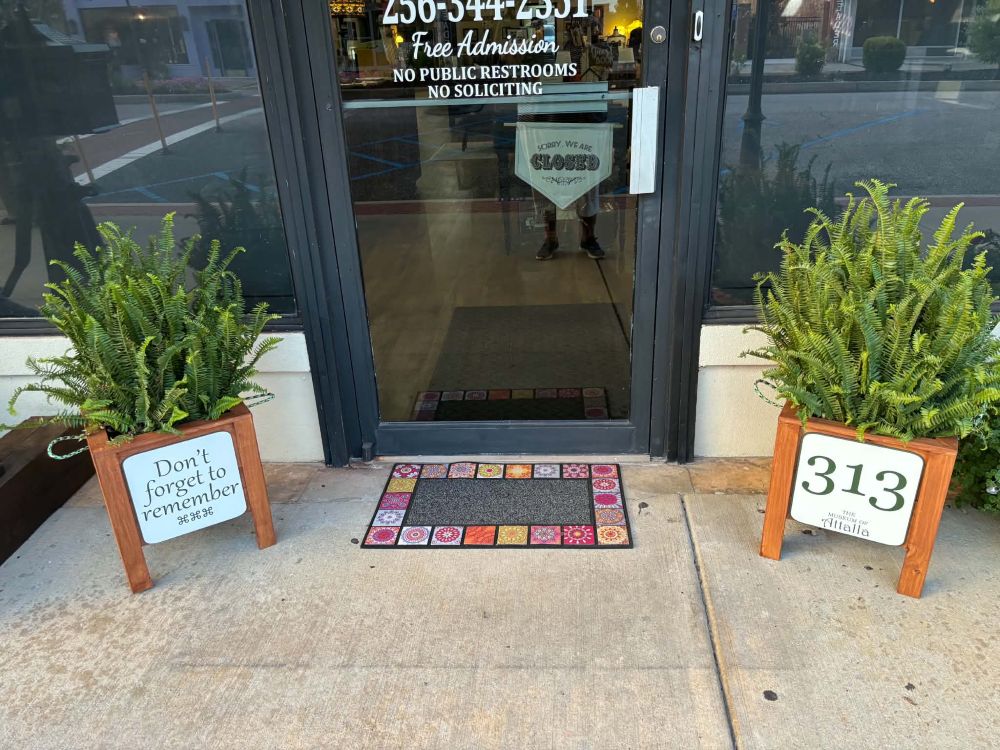
Take a tour of the Museum of Attalla to see where Alabama Power began while uncovering unique stories about the city. (Glen Champion)
Some exhibits in Phase I include:
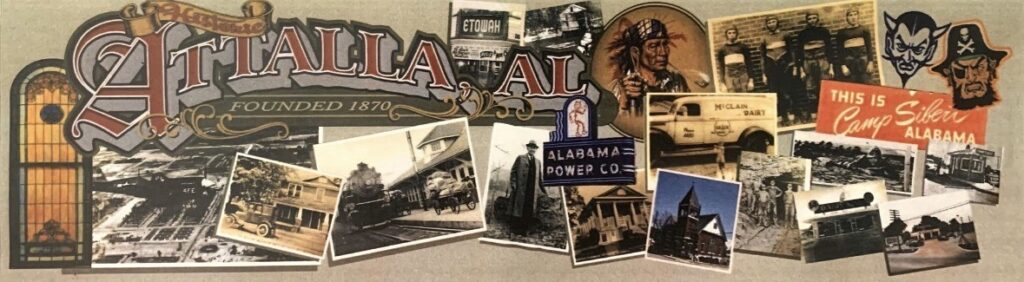
- A 20-foot mural showcasing photographs of William Patrick Lay and the mill where the hydroelectric dam was built.
- Copies of the agreements between Attalla and Lay regarding free power for Attalla schools.
- An Alabama Power safe.
- Reddy Kilowatt mascot memorabilia from its 100th birthday celebration.
- Southern Railroad transit history.
- Agricultural roots are highlighted through pictures of local dairies.
- Northeast Alabama Cherokee and Creek Nation mural.
- Camp Sibert Chemical Facility display.
Phase II will include a research and educational center, offices, meeting rooms, an archiving room and a courtyard for school visits.
Phase III will include an elevator.
“Glen and I were beyond excited to receive the donation from Alabama Power, especially right after celebrating our second anniversary last month at the museum,” Lankford said. “With Phase I wrapping up and Phase II on the horizon, visitors are often stunned by the exhibits. There is nothing else like this in our little town, and, with Alabama Power’s help, it is going to be extraordinary.”
The Museum of Attalla is open Tuesday through Saturday from 10 a.m. to 5 p.m. at 313 5th Ave. N.W.
Email museum@attallacity.org with questions or call 256-344-2351. To learn more, visit attallacity.org or attallamuseum.org.